
Herbal teas have been popular beverages for centuries. Their charm lies not only in their pleasant taste and aroma, but also in the diversity of plants that can be used in tea preparation. If you are looking for the best herbs for tea, the choice depends primarily on what flavors you prefer and what experience you expect from a cup of tea. Some herbs offer a delicate floral aroma, others freshness, fruity notes, or a more pronounced herbal taste.
It is precisely the combination of different plants that allows the creation of harmonious herbal tea blends in which individual flavors complement each other. Potravinový Inkubátor prepares carefully composed tea blends from selected herbs , which are suitable for every lover of quality herbal tea.
When selecting herbs for tea, not only their taste is important, but also their origin, quality of processing, and ability to create a pleasant overall impression. Popular tea herbs include traditional varieties that are used both individually and in various combinations.
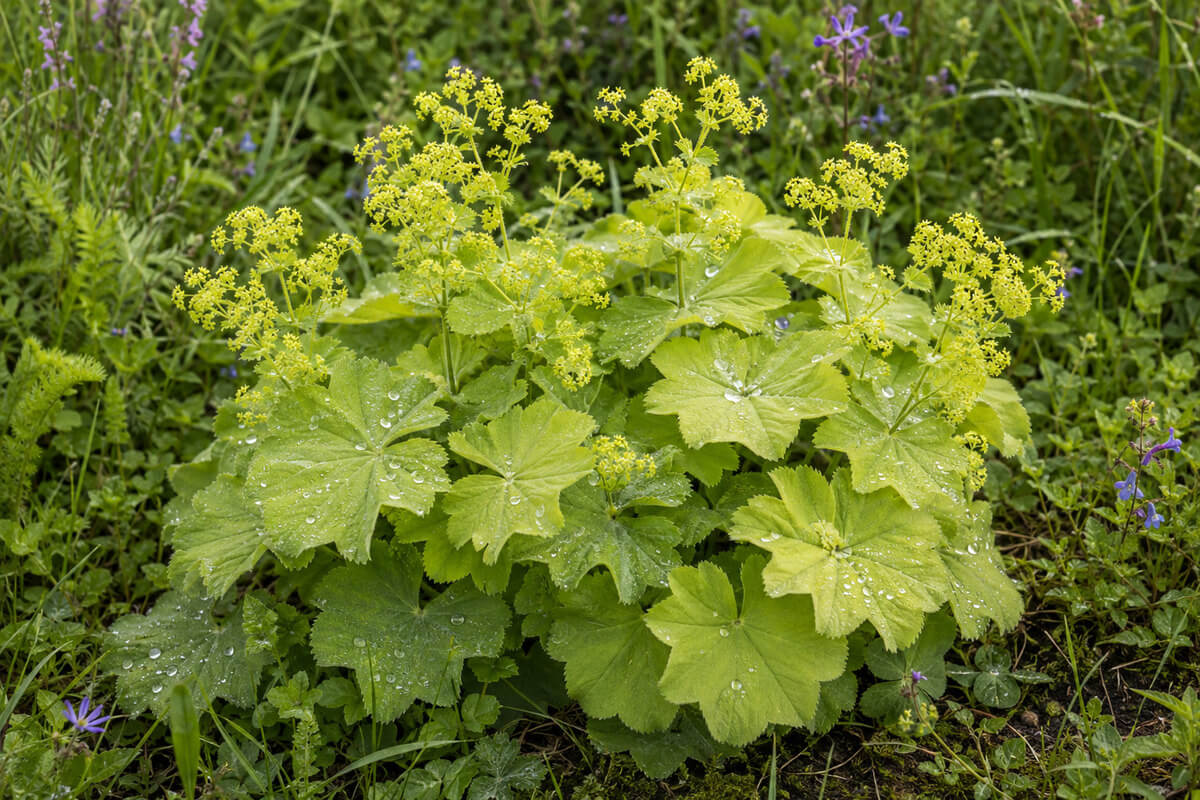
Lady’s mantle is among the traditional Slovak herbs that have found their place in many herbal blends. It is characterized by a delicate, slightly astringent taste and a typical herbal aroma. In tea blends, it is used primarily for its characteristic flavor, which can complement both more pronounced and more delicate plants.
Lady’s mantle is part of selected herbal blends from Potravinový Inkubátor, where it helps create a balanced flavor profile of the tea.
Common yarrow is a well-known herb with a more pronounced herbal aroma and a slightly bitter taste. It is precisely this characteristic that makes it an interesting component of tea combinations, as it adds character to the blends. Thanks to its traditional popularity, it is among the herbs that frequently appear in various herbal formulations. In Potravinový Inkubátor teas, it is used as part of harmonious blends.
Common agrimony is a less well-known but interesting plant that enriches herbal blends with a specific character. It has a delicate herbal aroma and in traditional herbalism belongs among plants with long-term use. In combination with other herbs, it creates an interesting flavor experience and complements the diversity of Potravinový Inkubátor tea blends.
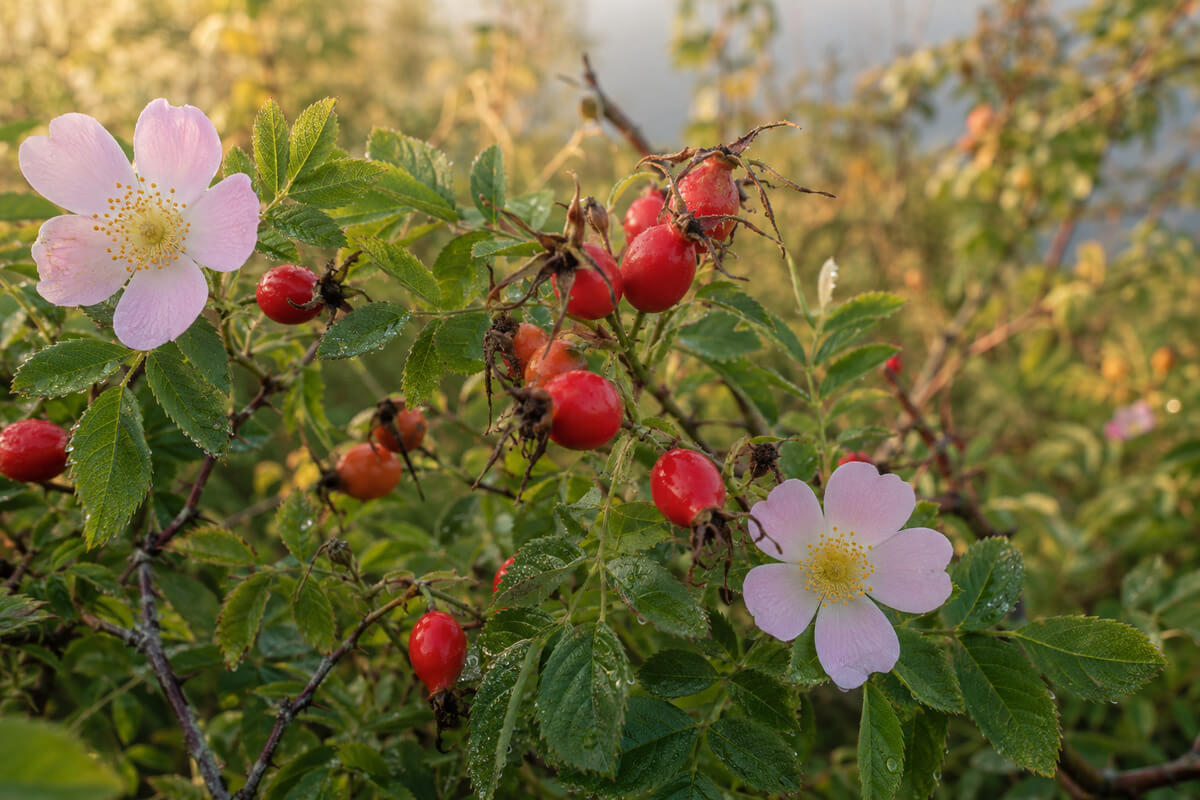
Rosehip fruit is among the most popular fruit components in herbal teas. It has a pleasant fruity aroma, a gently tart taste, and gives tea blends a natural fruity character.
Rosehips are popular especially in combination with herbs and flowers, as they can soften more pronounced flavors and create a delicious beverage suitable for everyday drinking.
Peppermint is among the most well-known herbs for tea. It is characterized by its fresh aroma and pronounced menthol flavor. Thanks to its intensity, it can enliven even simpler tea combinations. Mint is found in many herbal blends from Potravinový Inkubátor, where it contributes to a refreshing flavor profile.
English lavender is popular primarily for its distinctive floral aroma. In tea blends, it is used in smaller quantities, as its pronounced aroma can influence the overall character of the beverage. In combination with more delicate herbs, it creates harmonious and fragrant connections that will be appreciated by lovers of unconventional herbal teas.
Wild thyme, also known as mother of thyme, is among the traditional herbs used in Slovak households. It has a pleasant aromatic scent and a gently spicy taste. In herbal blends, it gives the tea a typical character and complements other plants with its pronounced aroma.
German chamomile is among the most well-known tea herbs. It is popular for its delicate floral aroma, golden color of the infusion, and pleasant taste. Thanks to its versatility, it is often combined with other herbs and also finds its place in tea blends from Potravinový Inkubátor.
Bilberry leaf represents an interesting herbal component with a delicate plant taste. In tea blends, it is used primarily as a complement to other herbs, which together create a balanced flavor. This less traditional component brings greater variety and diversity to herbal teas.
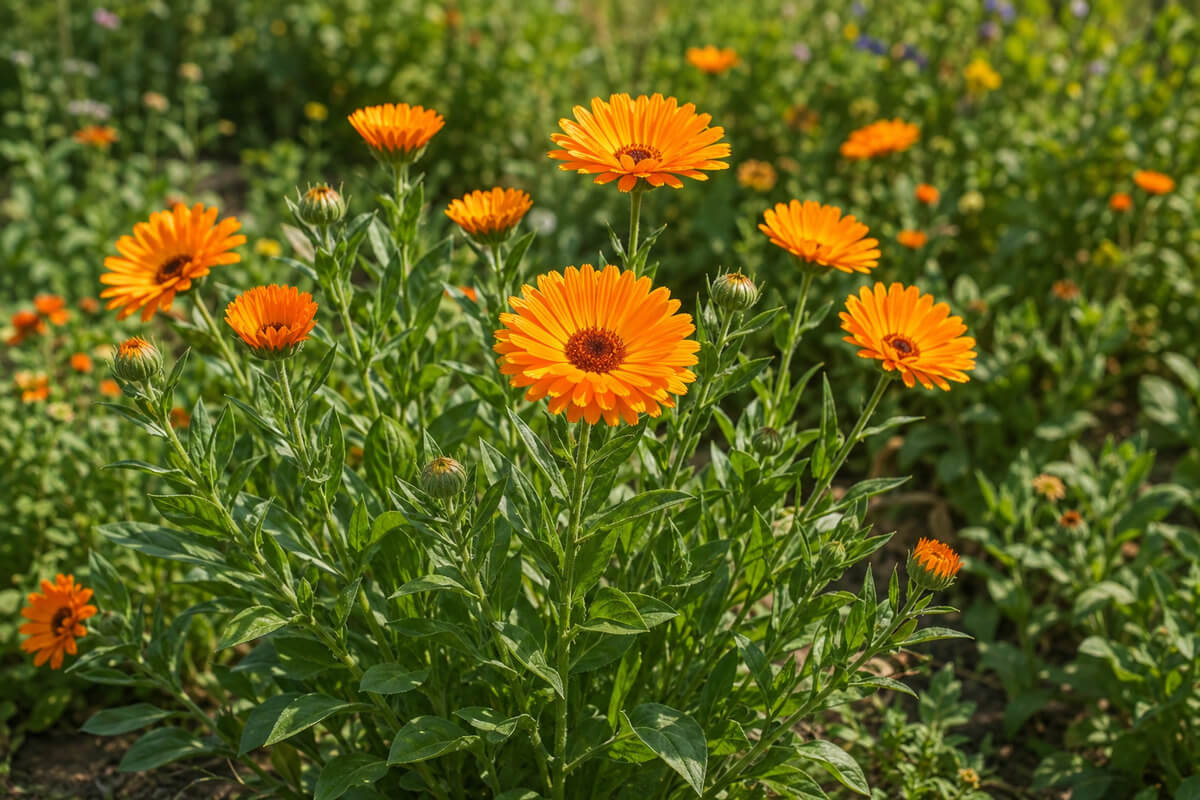
Pot marigold is known for its striking orange flowers and delicate floral aroma. In tea blends, it is used as both a visually attractive and flavorfully interesting component.
Its delicate character harmonizes well with other flowers and herbs, which is why it is a popular component of various herbal combinations.
Korean mint is among the less well-known but very aromatic plants. Its aroma resembles a combination of mint and anise, which brings a fresh and unconventional note to teas. In herbal blends, it can create an interesting flavor contrast and will please especially those who enjoy discovering new types of tea herbs.
Single-herb teas allow one particular herb to stand out, but herbal tea blends offer a broader flavor experience. By combining several plants, a beverage is created in which different aromas, colors, and flavor notes can complement each other. The advantage of blends is primarily diversity. Delicate flowers can complement more pronounced aromatic herbs, while fruit components add pleasant freshness. When choosing a tea blend, you do not need to think about which individual herbs to combine – experts take care of the balanced ratio. For quality blends, the origin of the ingredients used, proper processing, and thoughtful combination of individual components are important.
Potravinový Inkubátor offers a selection of herbal tea blends created from quality plant ingredients. The goal is to bring customers a diverse range of flavors – from delicate floral combinations to more pronounced herbal blends.
The range includes combinations of traditional Slovak herbs and less well-known plants, which enrich the flavor profile of the resulting tea. Each blend is composed with emphasis on natural taste, aroma, and a pleasant drinking experience.
Whether you are looking for a delicate tea for peaceful moments, a refreshing herbal combination, or enjoy trying new flavors, you can choose according to your preferences among the tea blends from Potravinový Inkubátor.
The selection of the right herbs depends primarily on your taste and preferred aromas. Among the most popular best herbs for tea are traditional plants that offer wide possibilities for combination.
Quality herbal tea is above all a pleasant everyday ritual, which combines taste, aroma, and the pleasure of nature.
You might be interested in: How Often and How Long to Drink Herbal Tea?

