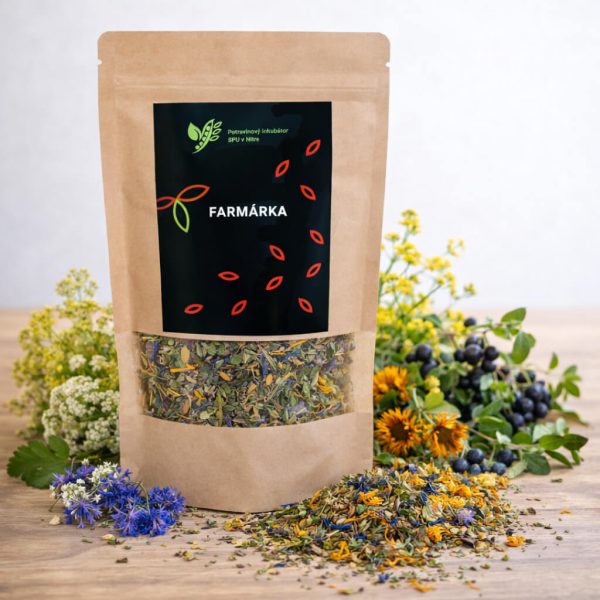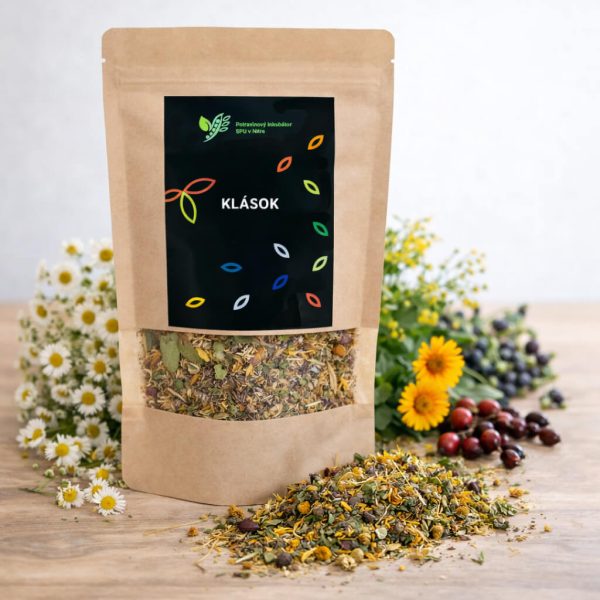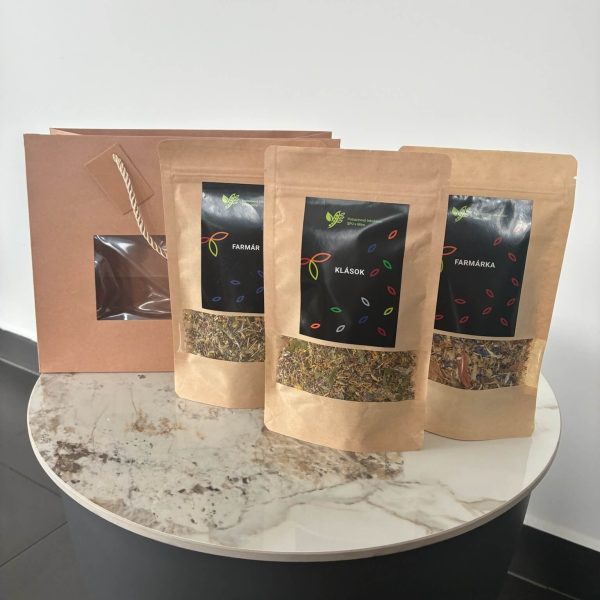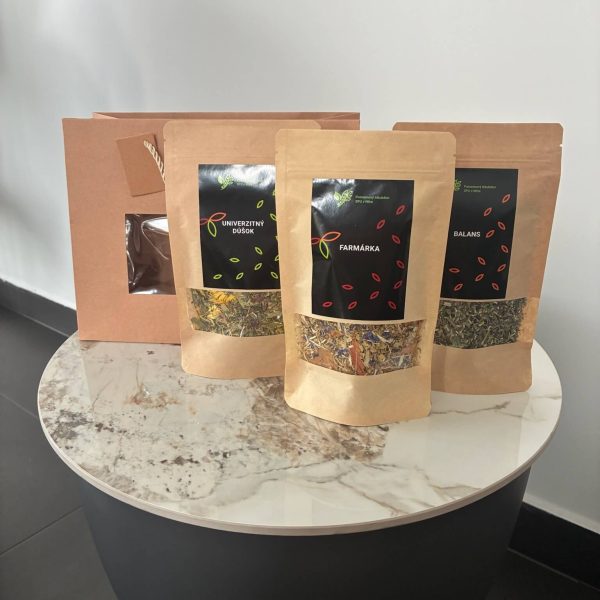
Discover teas and herbal blends featuring the dried leaves of Bilberry leaf (Vaccinium myrtillus). They contribute a delicate herbal character and slightly astringent flavour, naturally complementing aromatic, floral and fruity ingredients.

This category features original herbal combinations created in our Food Incubator. Each blend has its own flavour profile, depending on the proportion of Bilberry leaf and the other herbs used.
You can enjoy the tea as a hot infusion or, if recommended for the individual product, serve it chilled. Follow the instructions on the packaging regarding the amount of tea, water temperature and brewing time.
Bilberry leaf has a long history in European herbalism and cuisine. Its fruits were traditionally eaten fresh or processed, while the dried leaves were used to prepare herbal infusions. Historical herbal sources associated the leaves primarily with blends prepared in connection with carbohydrate metabolism and the urinary tract.
Bilberry leaf naturally contain various phenolic compounds. The components studied include derivatives of caffeic and chlorogenic acids, flavonols, catechins, proanthocyanidins and other plant compounds. Their levels may vary depending on the harvest period, growing conditions and processing method.
Scientific research examines the antioxidant activity of leaf extracts and their effects in laboratory models related to inflammatory responses, microorganisms and glucose and lipid metabolism. These studies contribute to a better understanding of the plant’s chemical composition, but most use concentrated extracts, isolated compounds or cell cultures.
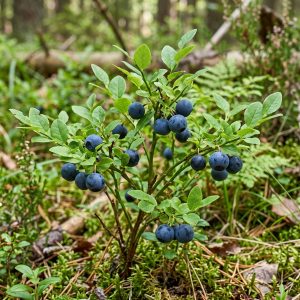
Bilberry leaf is a low-growing, branching dwarf shrub with small green leaves and dark blue to blue-black fruits. It grows mainly in forests, heathlands and mountainous areas. The dried leaves are used in tea blends, adding a delicate, slightly bitter herbal note.