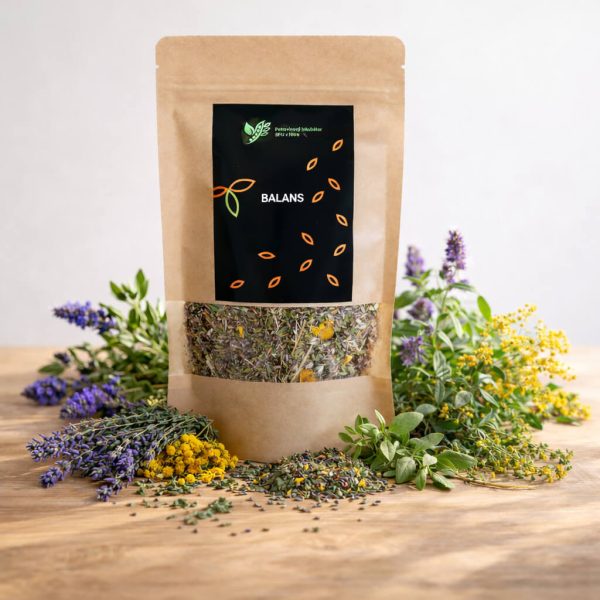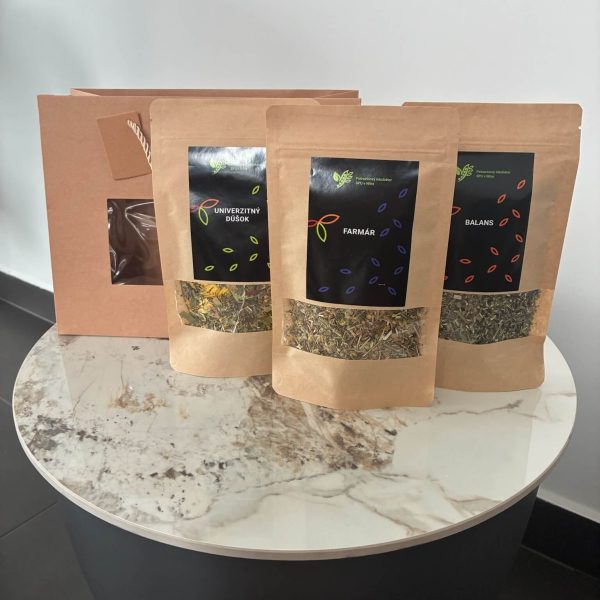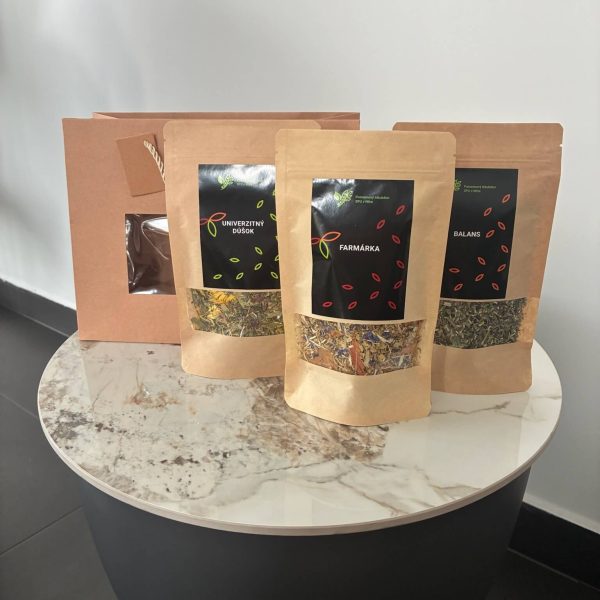
Discover teas and tea blends featuring Korean mint, created in our Food Incubator. This aromatic herb stands out for its fragrance and distinctive flavour profile. Its leaves offer fresh, subtly sweet and gently aniseed notes that pleasantly complement the other herbs in our tea blends.





In this category, you will find carefully crafted tea blends combining Korean mint with other plant-based ingredients. Each combination offers a different aroma and flavour – from delicate and fresh to more distinctive herbal notes.
You can enjoy these teas hot during a peaceful morning or evening, or chilled as a refreshing drink. Follow the preparation instructions provided on the packaging of each tea blend.
Korean mint has a long tradition of use in East Asian cuisine and herbal blends. In traditional practices, it was particularly associated with the period after meals and overall digestive comfort. Its distinctive aroma has also earned it a place in teas, beverages and various dishes.
The plant naturally contains phenolic compounds, flavonoids and aromatic essential oil components. These substances are the subject of scientific research examining areas such as their antioxidant activity, processes related to inflammatory responses and the effects of selected compounds on microorganisms.
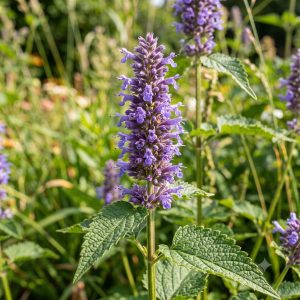
Korean mint is characterised by its aromatic leaves and spike-shaped clusters of small purple flowers. In tea blends, it is particularly valued for its distinctive aroma and ability to create unusual flavour combinations.
This category features carefully crafted tea blends in which Korean mint is combined with other plant-based ingredients. The individual combinations offer a variety of aromas and flavours – from delicate and fresh to more pronounced herbal notes.
Enjoy these teas hot during a peaceful morning or evening, or serve them chilled as a refreshing drink. Follow the preparation instructions provided on the packaging of each tea blend.
Korean mint has a long tradition of use in East Asian cuisine and herbal blends. In traditional practices, it was commonly associated with the period after meals and general digestive comfort. Its distinctive aroma has also earned it a place in teas, beverages and a variety of dishes.
The plant naturally contains phenolic compounds, flavonoids and aromatic essential oil components. These substances are the subject of scientific research exploring areas such as their antioxidant activity, processes related to inflammatory responses and the effects of selected compounds on microorganisms.
Korean mint is characterised by its aromatic leaves and spike-shaped clusters of small purple flowers. It is particularly valued in tea blends for its distinctive aroma and ability to create unusual flavour combinations.