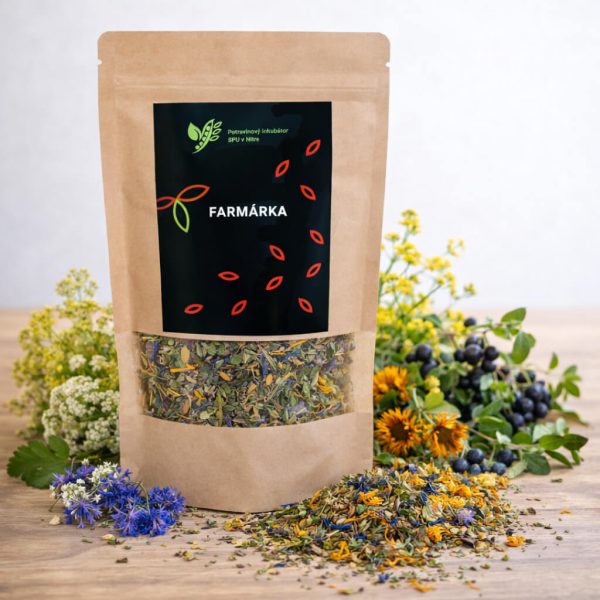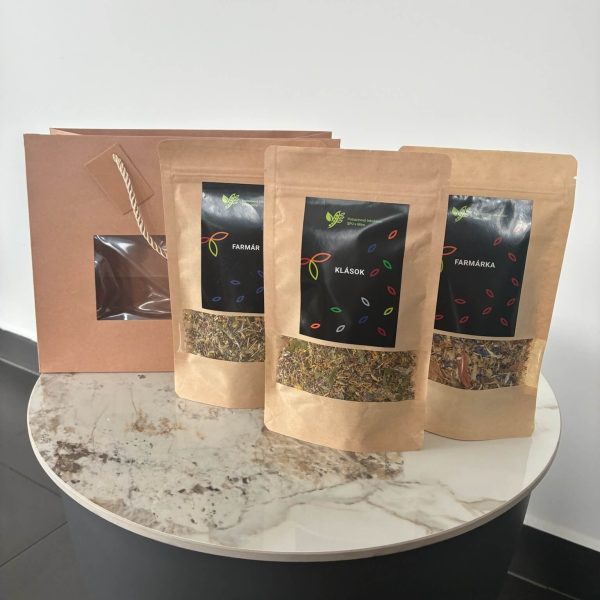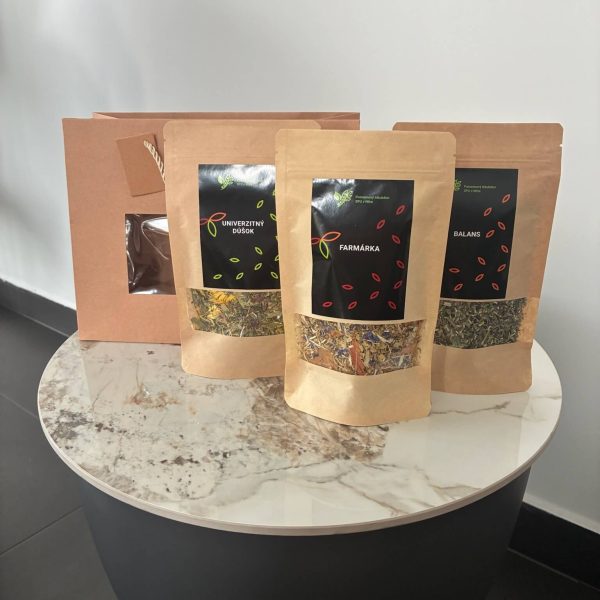
Discover teas and herbal blends featuring Lady’s mantle (Alchemilla xanthochlora), a traditional European plant known for its distinctive fan-shaped leaves and tiny yellow-green flowers. In tea blends, it contributes a delicate herbal flavour with a slightly astringent note that pairs well with other aromatic plants.




This category features original herbal combinations created in our Food Incubator. Each recipe brings together a variety of flavours and aromas, allowing you to choose a blend that suits your preferences and the occasion.
The tea can be served hot or left to cool and enjoyed as a refreshing herbal drink. Always follow the brewing instructions provided with the individual product.
Lady’s mantle has a long tradition in European herbalism and has often been included in herbal blends for women. Traditionally, it was used during various stages of a woman’s life, including menstruation. It was also used in topical herbal preparations and compresses.
The plant naturally contains mainly tannins, flavonoids and phenolic acids. Tannins are known for their characteristic astringent properties and also contribute to the slightly bitter taste of the herbal infusion. Scientific research into plants of the genus Alchemilla also explores the antioxidant, anti-inflammatory and antimicrobial activity of their extracts and individual plant compounds.
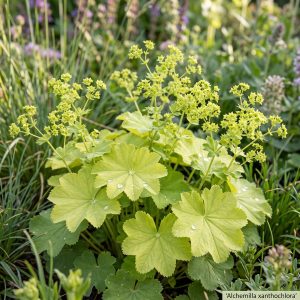
Lady’s mantle forms basal rosettes of round to kidney-shaped, lobed leaves. Its subtle yellow-green flowers grow in branched clusters. In tea blends, it complements other herbs with its delicate plant character and slightly bitter flavour.