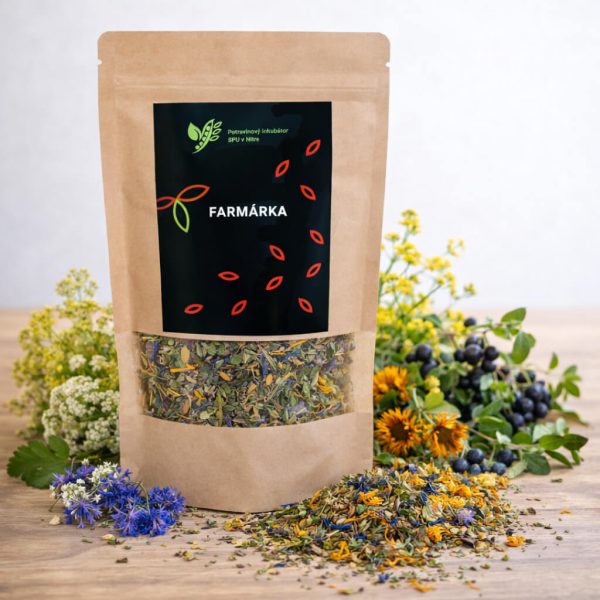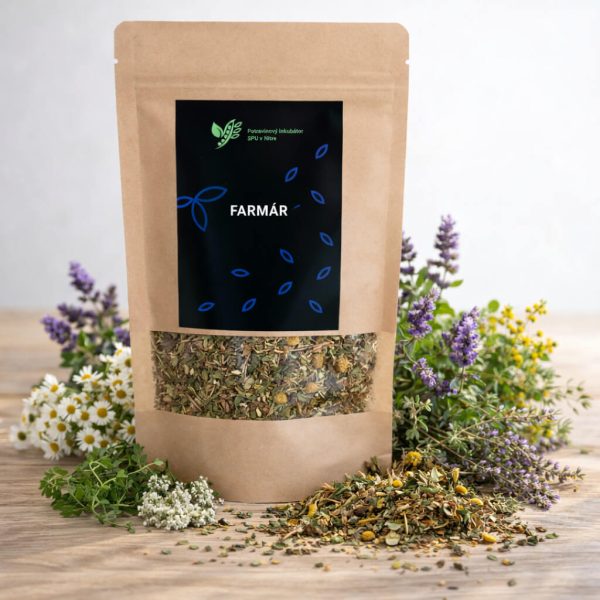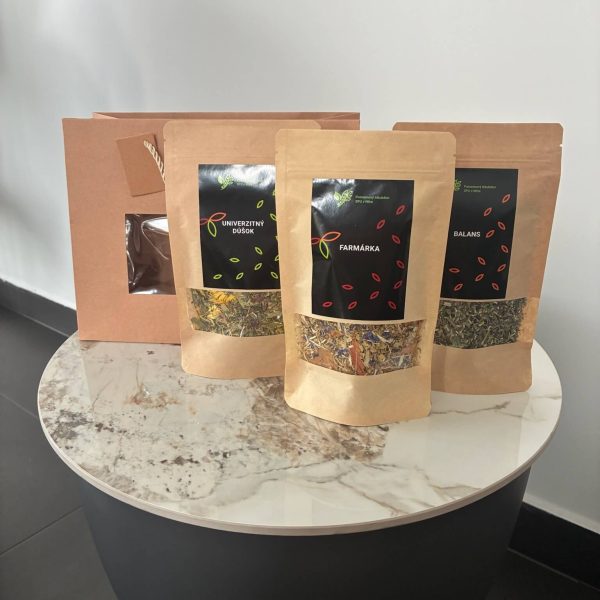
Discover teas and herbal blends featuring Yarrow (Achillea millefolium), recognisable by its finely divided leaves and tiny white to pale pink flowers. Its dried flowering aerial parts give infusions a distinctive herbal character, spicy aroma and pleasantly bitter flavour.



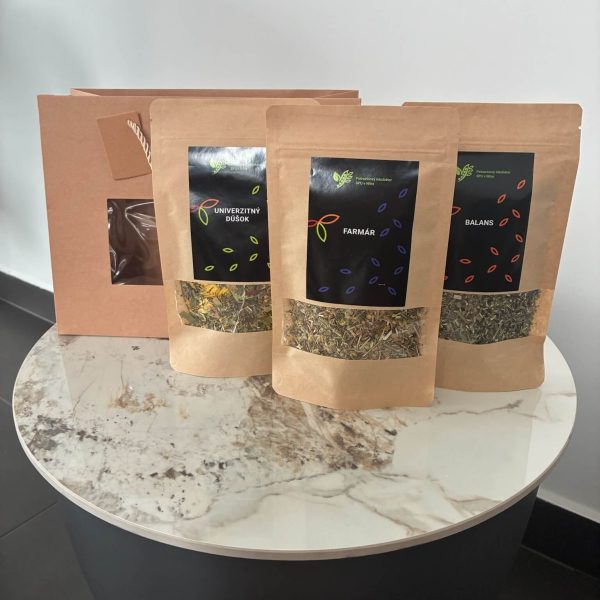
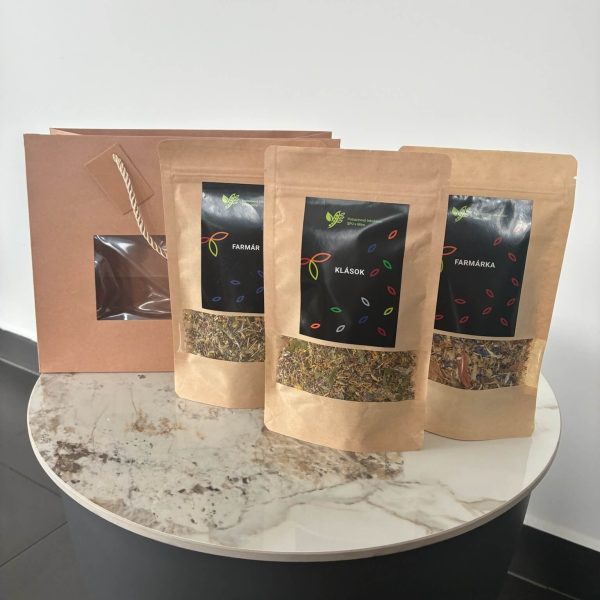
This category features original herbal combinations created in our Food Incubator. Yarrow can be paired with delicate flowers, fresh leafy herbs and aromatic plants that balance its more distinctive flavour.
You can prepare your chosen blend as a hot infusion or, if recommended for the individual product, serve it chilled as a refreshing herbal drink. Follow the instructions on the packaging regarding the amount of tea, water temperature and brewing time.
Yarrow is one of the traditional European herbs with a long history of use. Its flowering aerial parts were primarily collected, dried and added to herbal infusions, bitter herbal blends, decoctions and topical preparations.
In folk herbalism, yarrow drinks were primarily associated with the period after meals, appetite and digestive comfort. Its distinctive bitter flavour was typical of blends prepared for feelings of fullness, bloating or digestive discomfort.
Yarrow also traditionally appeared in herbal blends for women. Infusions were prepared mainly during menstruation and associated with well-being and comfort during this period.
The plant also had significant topical uses. Its aerial parts were processed into compresses, baths and herbal solutions used in traditional care for the skin and minor superficial wounds. This is also the origin of yarrow’s long-standing association with healing herbal preparations.
Yarrow’s flowering aerial parts naturally contain flavonoids, phenolic acids, tannins, sesquiterpene lactones and aromatic essential oil. The flavonoids studied include apigenin, luteolin and their derivatives. The plant’s composition may vary depending on the growing location, harvest period and processing method.
The essential oil may contain varying levels of compounds such as sabinene, 1,8-cineole, camphor and other terpenes. In some chemotypes, blue-coloured chamazulene is also formed during the processing of the essential oil. However, not every plant or tea ingredient contains the same amounts of these compounds.
Laboratory and preclinical research examines the antioxidant, anti-inflammatory and antimicrobial activity of yarrow extracts and essential oil. Researchers also investigate mechanisms associated with contractions of the smooth muscles of the digestive tract and tissue repair.
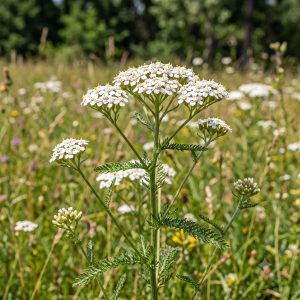
Yarrow produces upright stems with finely divided leaves that resemble numerous tiny leaflets. Flat-topped clusters of white to pale pink flower heads grow at the tops of the stems. Its dried flowering aerial parts are primarily used in tea blends, contributing a distinctive aromatic and slightly bitter flavour.