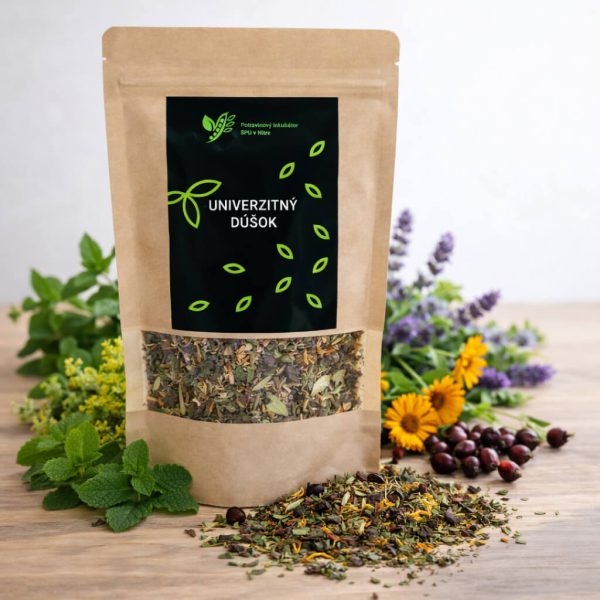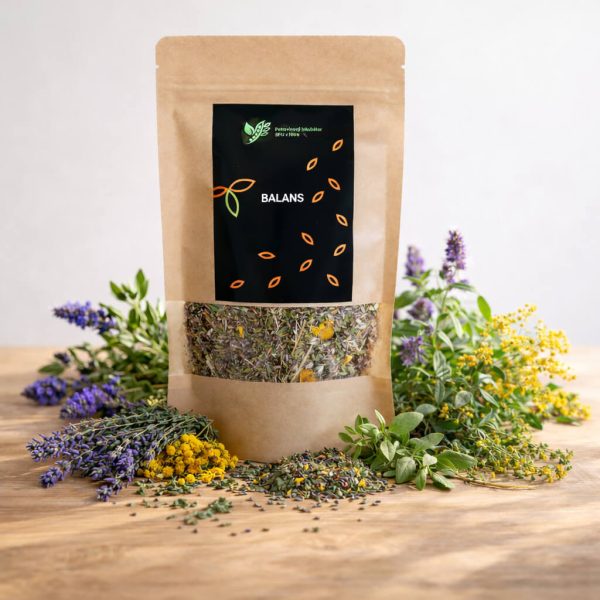
Discover teas and herbal blends featuring Lavender (Lavandula angustifolia), characterised by its blue-violet flowers and distinctive, easily recognisable aroma. Dried lavender flowers give infusions a subtly sweet, floral and slightly spicy note.


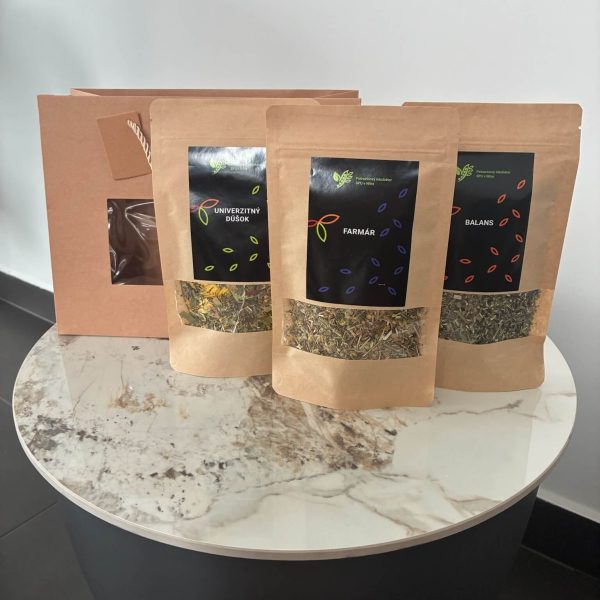
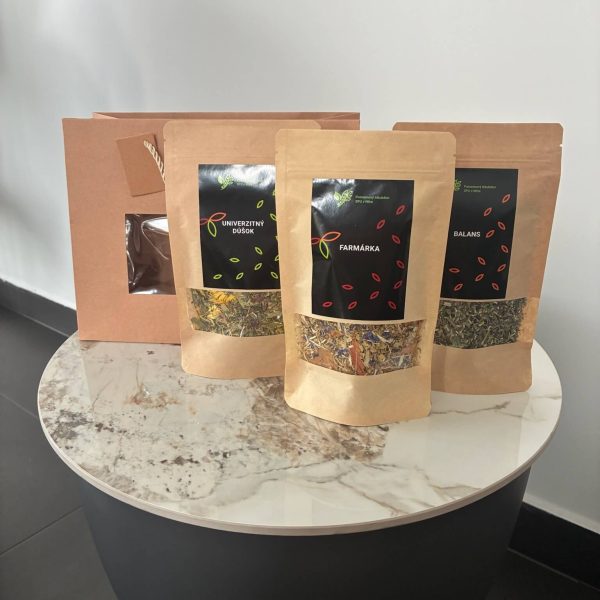
This category features original herbal combinations created in our Food Incubator. Lavender is combined with delicate flowers, fresh leafy herbs and more distinctive plant-based ingredients, with the final character depending on the proportions used in the complete recipe.
You can prepare your chosen blend as a hot infusion or, if recommended for the individual product, serve it chilled as a refreshing herbal drink. Follow the instructions on the packaging regarding the amount of tea, water temperature and brewing time.
Lavender has a long tradition in European cuisine, perfumery and herbalism. Its dried flowers were used to prepare herbal infusions, aromatic waters, herbal sachets and baths. In smaller quantities, they were also used to flavour sweet dishes, syrups and other beverages.
In traditional herbal practices, lavender flowers were primarily associated with evening drinks, relaxation and a calm atmosphere before bedtime. The European Medicines Agency lists dried lavender flowers and lavender essential oil as ingredients in certain traditional herbal medicinal products used to relieve mild symptoms of mental stress and exhaustion and to aid sleep.
Lavender’s characteristic fragrance comes from its essential oil, which frequently contains linalool and linalyl acetate as its main components. Their levels may vary depending on the variety, growing location, harvest period and processing method. The flowers and other aerial parts also contain phenolic acids, flavonoids and other naturally occurring plant compounds.
Clinical research focuses mainly on standardised lavender essential oil preparations, capsules and aromatherapy. Available findings suggest their potential use for mental tension or sleep problems.
Laboratory studies also examine the antioxidant, anti-inflammatory and antimicrobial activity of lavender extracts and essential oil.
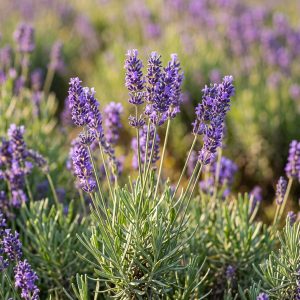
Lavender forms dense clumps of narrow, greyish-green leaves and longer stems topped with spike-shaped flower clusters. Its small blue-violet flowers are highly aromatic and attract many pollinators. The dried flowers are used in tea blends, complementing other herbs with their intense aroma and subtly sweet floral note.