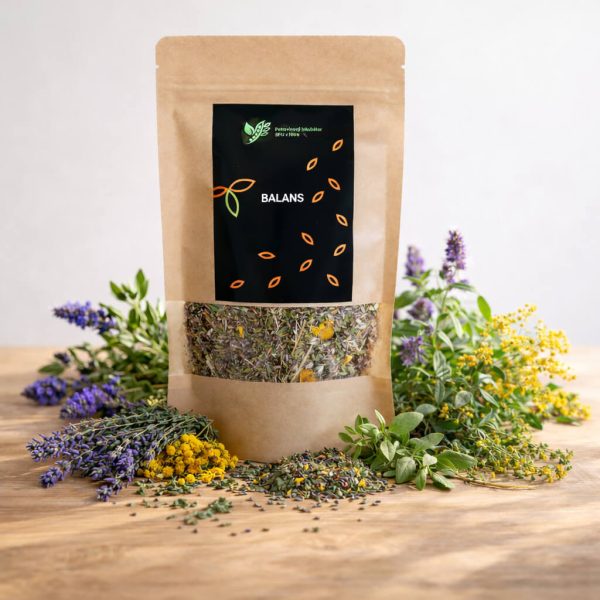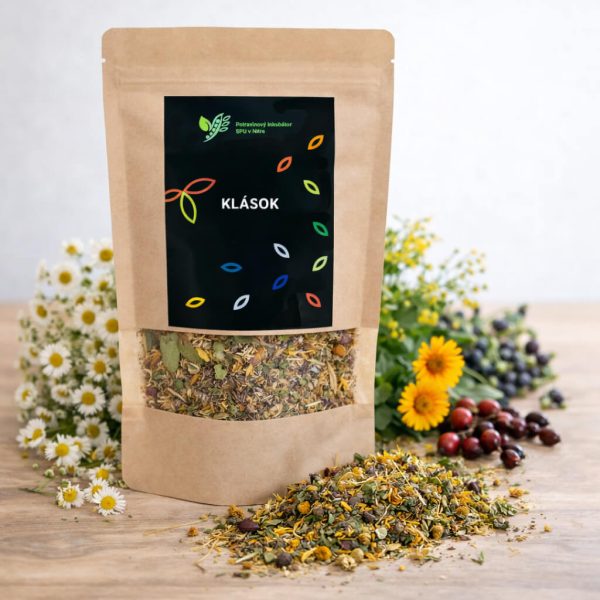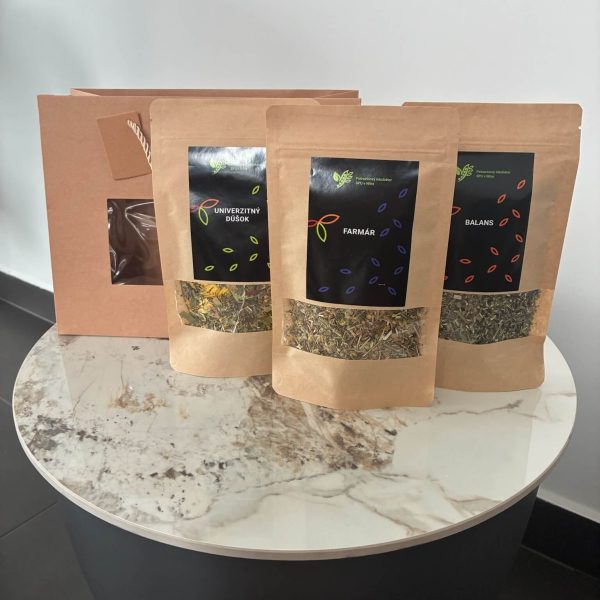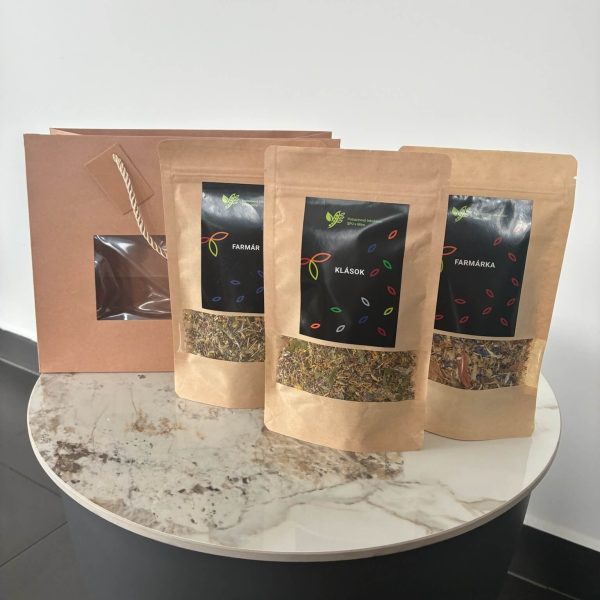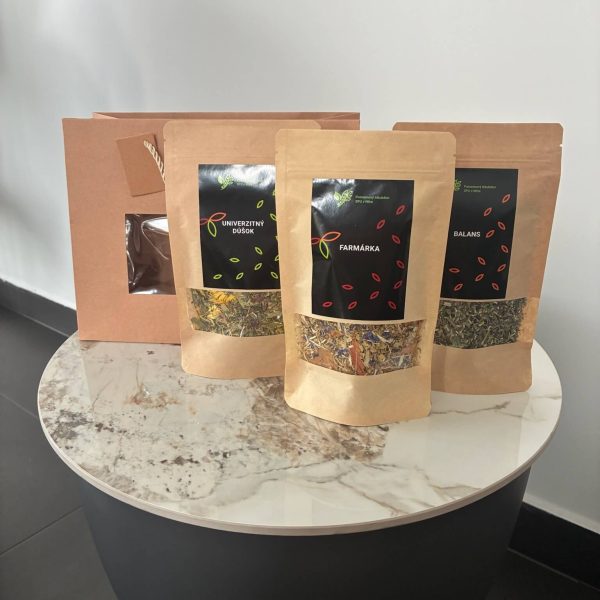
Discover teas and herbal blends featuring Wild thyme (Thymus serpyllum), characterised by its tiny pink to purple flowers and intense spicy aroma. Its flowering aerial parts give infusions a distinctive herbal character with subtly bitter and aromatic notes.





This category features original combinations of Wild thyme and other herbs, created in our Food Incubator. Its distinctive aroma allows Wild thyme to complement floral, refreshing and fuller-flavoured tea blends.
You can prepare your chosen blend as a hot infusion or, if recommended for the individual product, serve it chilled as a refreshing herbal drink. Follow the instructions on the packaging regarding the amount of tea, water temperature and brewing time.
Wild thyme has a long tradition in European herbalism and cuisine. Its aromatic flowering aerial parts were used to prepare herbal infusions, decoctions, syrups and herbal blends. In some regions, it was also used as a seasoning with a flavour profile similar to thyme, although generally milder.
Traditional sources associated Wild thyme primarily with drinks prepared during the colder months and blends intended for consumption after meals. Its historical uses were mentioned in connection with the respiratory tract, coughs and digestive comfort.
Wild thyme naturally contains essential oil, the composition of which can vary considerably depending on its location, growing conditions and harvest period. The aromatic compounds studied include carvacrol, thymol, p-cymene, γ-terpinene, linalool and 1,8-cineole. The plant also contains phenolic compounds and flavonoids.
Modern research examines the chemical composition of its aerial parts, extracts and essential oil, as well as their antioxidant, antimicrobial and anti-inflammatory activity in laboratory and preclinical models.
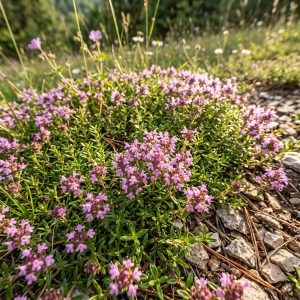
Wild thyme forms low-growing, creeping mats with small aromatic leaves. During the flowering season, it produces numerous pink to purple flowers that also attract pollinators. Its flowering aerial parts are primarily used in tea blends, complementing other plants with a distinctive herbal aroma and spicy flavour.