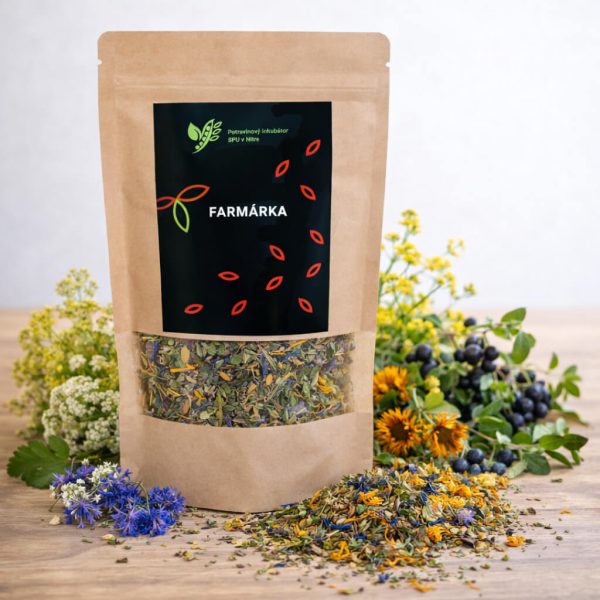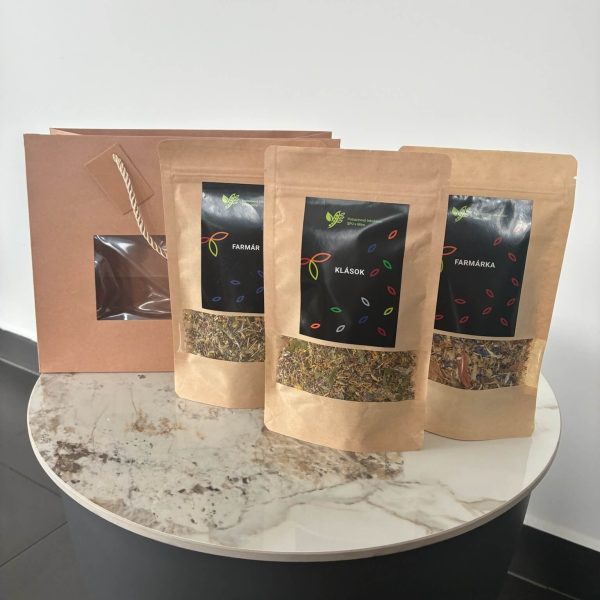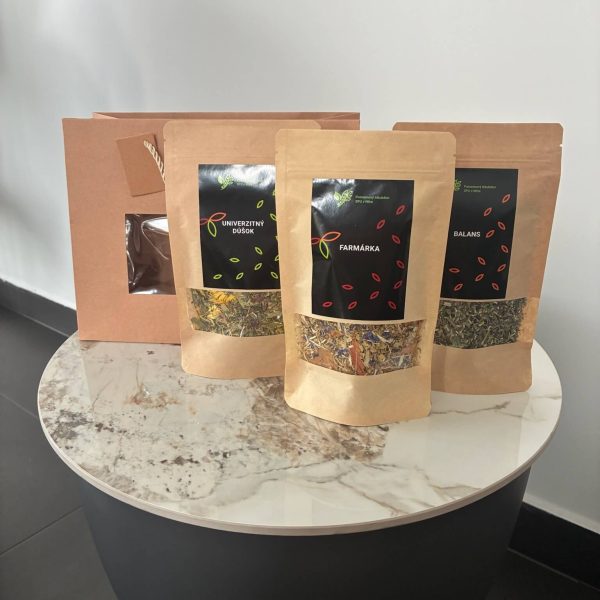
Discover teas and herbal blends featuring Self-heal (Linaria vulgaris), recognisable by its narrow leaves and distinctive yellow flowers with orange centres. Its dried flowering aerial parts add a characteristic herbal note with a slightly bitter finish to each blend.



This category features original herbal combinations created in our Food Incubator. Self-heal can be paired with delicate flowers, aromatic leaves and fuller-flavoured herbs that balance its distinctive herbal character.
You can prepare your chosen blend as a hot infusion or, if recommended for the individual product, serve it chilled as a refreshing herbal drink. Follow the instructions on the packaging regarding the amount of tea, water temperature and brewing time.
Self-heal has a place in European folk herbalism, although it is now one of the lesser-known plants. Its flowering aerial parts were primarily collected, dried and used to prepare infusions, decoctions and multi-herb blends.
Historical sources associated Self-heal mainly with diuretic and bitter herbal preparations. Infusions were traditionally prepared in connection with the elimination of water from the body, digestion and the activity of the liver or gallbladder. In some regions, the plant was also included in blends used for irregular bowel movements.
Topical preparations represented a significant part of its traditional use. Fresh or dried aerial parts were processed into compresses, ointments and herbal washes associated with caring for stressed skin and minor surface blemishes.
Self-heal contains several groups of naturally occurring plant compounds. Research into plants of the genus Linaria primarily describes flavonoids, iridoids, phenolic compounds, alkaloids and terpenoids. The well-known substances studied include linarin, pectolinarin and pectolinarigenin.
Laboratory and preclinical studies examine the antioxidant, anti-inflammatory, antimicrobial and diuretic activity of extracts or individual isolated compounds. Their effects are also investigated in various cellular and animal models related to metabolism and inflammatory responses.
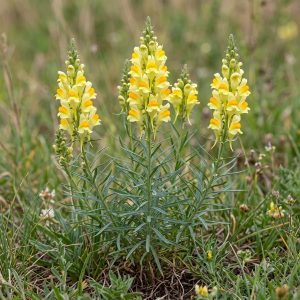
Self-heal produces upright stems with numerous narrow, greyish-green leaves. Its yellow flowers with orange centres grow in elongated clusters and resemble tiny open mouths. The dried flowering aerial parts are primarily used in herbal blends, contributing a slightly bitter herbal character.