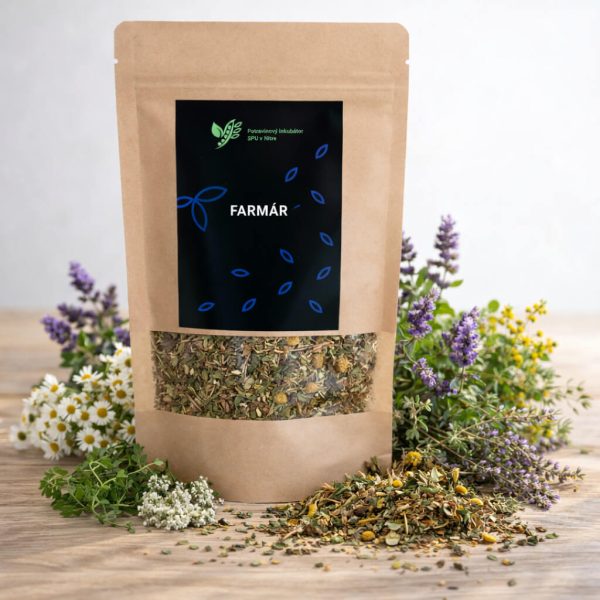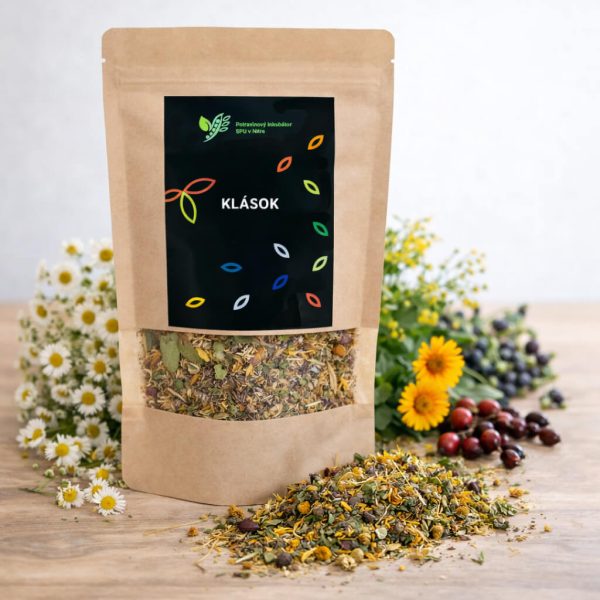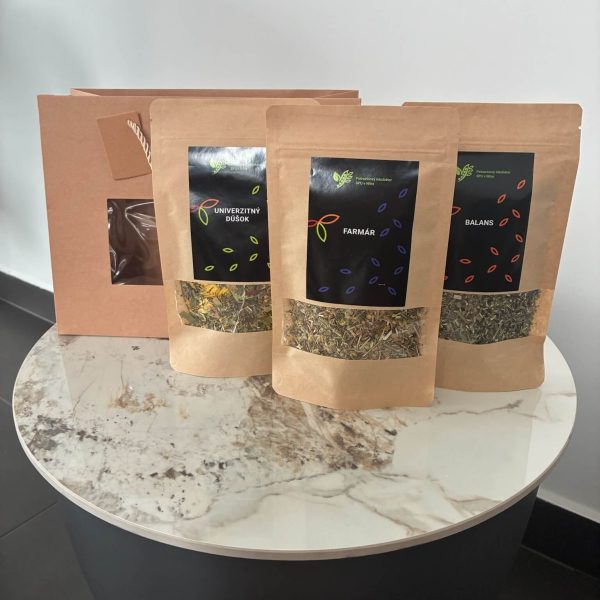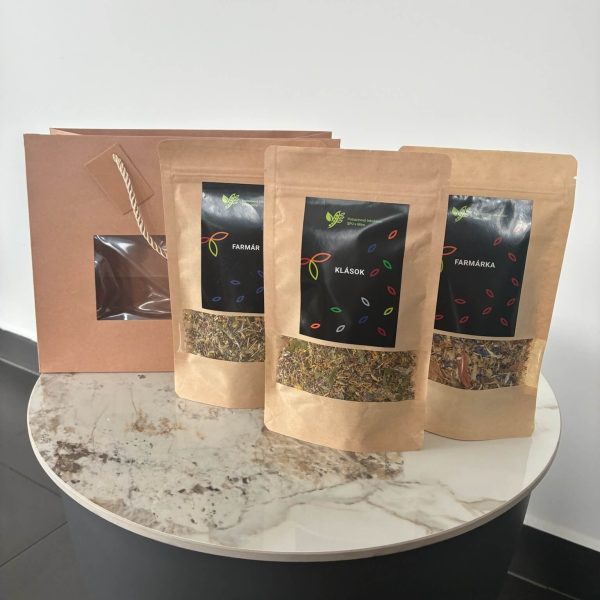
Discover teas and herbal blends featuring Chamomile (Matricaria chamomilla), characterised by small flower heads with white ray florets and yellow centres. The dried flowers give infusions a delicate floral aroma, subtly sweet flavour and light herbal note.





This category features original combinations created in our Food Incubator. Chamomile can be paired with lemon balm, lavender, lime blossom, peppermint and other meadow herbs, with the complete recipe determining the final flavour and aroma.
You can prepare your chosen blend as a hot infusion or, if recommended for the individual product, serve it chilled as a refreshing herbal drink. Follow the instructions on the packaging regarding the amount of tea, water temperature and brewing time.
Chamomile is one of the most widely recognised herbs in European tradition. For centuries, its dried flower heads were used to prepare individual infusions and multi-herb tea blends. It was also used in homemade baths, compresses, rinses and cosmetic preparations.
In traditional herbalism, Chamomile infusion was primarily associated with the period after meals and digestive comfort. It was prepared for feelings of fullness, bloating or uncomfortable tension in the digestive area. Its delicate flavour and aroma also contributed to its popularity in evening herbal blends.
Chamomile was traditionally used during the colder months and in drinks associated with general well-being and relaxation.
Topical preparations represented a significant part of its historical use. Chamomile compresses, baths and rinses were associated with caring for sensitive skin, the mouth and mucous membranes.
Chamomile flowers naturally contain flavonoids, phenolic acids, coumarins and essential oil components. The most widely studied compounds include apigenin and its derivatives, luteolin, quercetin, α-bisabolol and its oxides. During the processing of the essential oil, blue-coloured chamazulene can form from matricin.
Laboratory and preclinical research primarily examines the antioxidant, anti-inflammatory and antimicrobial activity of chamomile extracts and essential oil. Researchers also investigate mechanisms associated with the smooth muscles of the digestive tract, the skin and cellular responses to oxidative stress.
Clinical trials have examined areas such as digestive comfort, mental tension, sleep quality and the topical use of chamomile preparations.
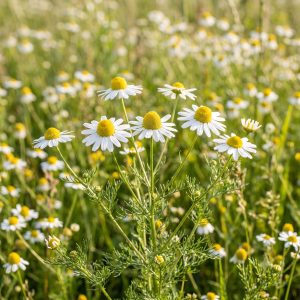
Chamomile produces branching stems with finely divided leaves and small flower heads. White ray florets surround a raised yellow centre, which is hollow inside in this species. The dried flower heads are used in tea blends, complementing other herbs with a delicate aroma and harmonious floral flavour.