Chips are among the most popular savory snacks. They are part of moments of relaxation, movie nights, gatherings with friends, or quick refreshments during the day. However, consumers often associate classic potato chips with higher fat and salt content and pronounced flavoring. This is why interest in alternative products is growing, products that offer simpler composition, higher-quality ingredients, and more interesting nutritional profiles.
In searching for an answer to the question of what healthy chips can realistically look like, we at Potravinový Inkubátor did not focus solely on creating a new snack. We sought a way to bring quality vegetable ingredients closer to consumers in a form that would be attractive, tasty, and natural in their everyday lives.
The impetus for developing vegetable chips came from market analysis results and consumer studies, which highlighted low vegetable consumption among Slovak consumers, but also growing interest in local products, traditional ingredients processed in modern ways, and foods that combine nutritional and sustainability trends.
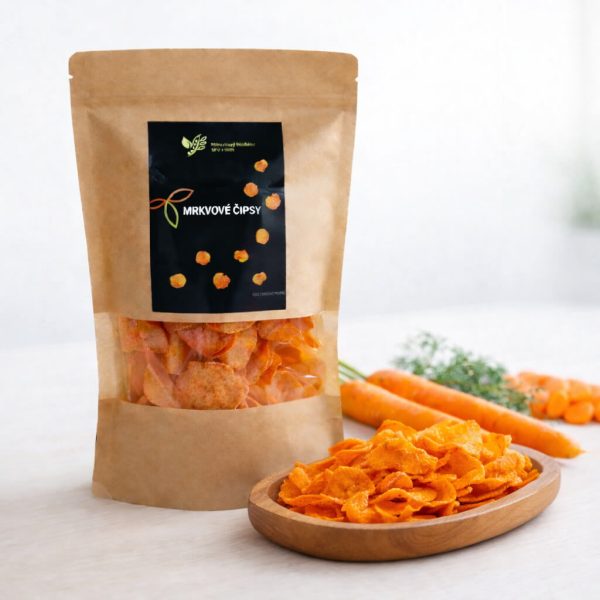
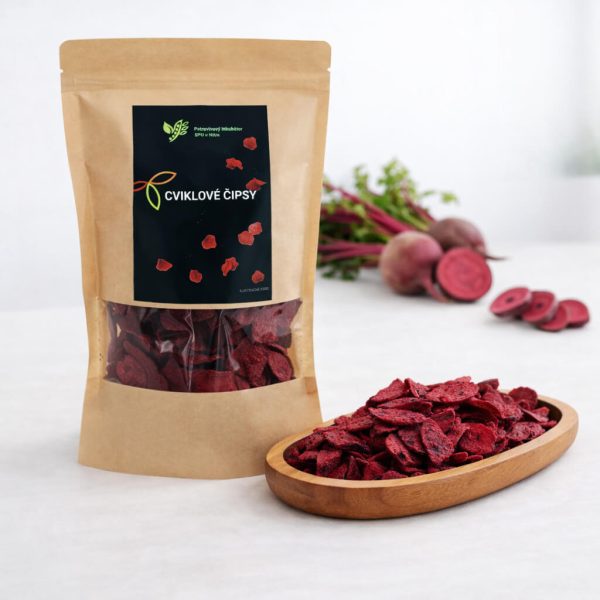
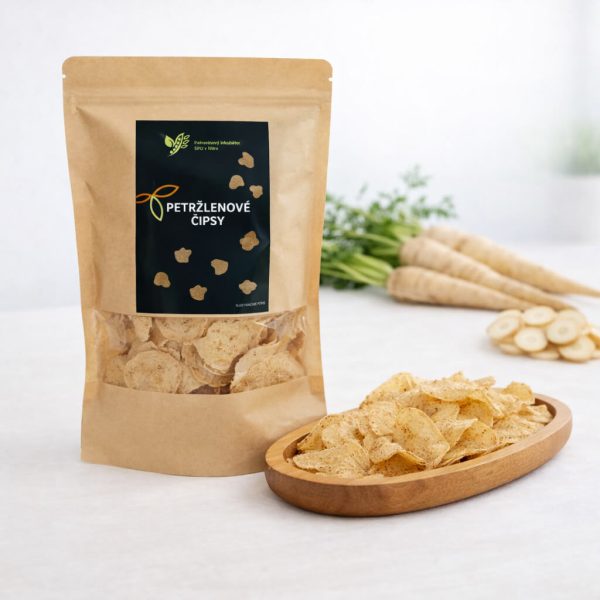
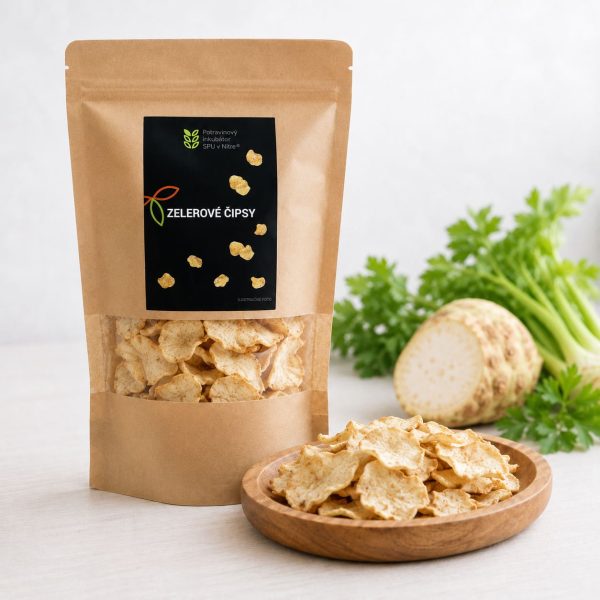
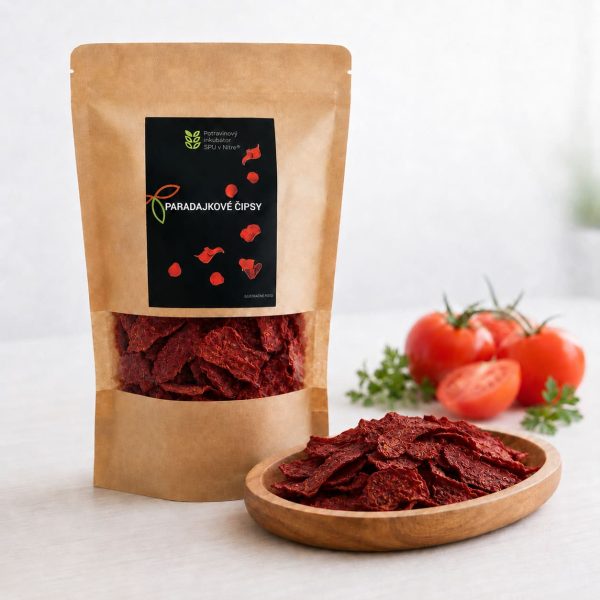
The result is not just dried vegetables. Potravinový Inkubátor’s vegetable chips were created by combining scientific knowledge, consumer research, food technology, and consumer feedback. Today we offer five types of vegetable chips—carrot, beetroot, parsnip, celery, and our newest addition, tomato chips.
Today, consumers often use the term “healthy chips” when seeking an alternative to classic salty snacks. From an expert perspective, however, it is not a designation for a product that would be automatically suitable for everyone or would replace a balanced diet. It is rather an expectation that the product will have a high-quality composition, suitably chosen ingredients, and will provide certain added value.
In developing a more nutritionally interesting alternative to traditional snacks, we focused on several important principles:
Every new product should begin with the question: What problem are we solving and what does the consumer need?
When creating Potravinový Inkubátor’s vegetable chips, we therefore first analyzed the market and consumer behavior. The results revealed two significant facts. The first was low vegetable consumption among Slovak consumers, especially root vegetables. The second was growing interest in products that combine traditional ingredients with modern processing methods.
Consumer research also showed interest in local and regional products, innovative foods, and more nutritionally valuable alternatives to ordinary snacks. Based on these findings, the concept of a vegetable snack was born that harnesses the potential of traditional ingredients and presents them in a new form.
Development from initial market analysis to product launch took approximately three years. During this period, product design, recipe optimization, chemical, nutritional, physical and microbiological analyses, sensory evaluation, and consumer acceptance testing took place.
Part of preparing the product for market included participation in the Challenger Science educational program organized by Civitta and ESET Foundation, which supported the development of the business and innovation potential of scientific projects. Vegetable chips represent Potravinový Inkubátor’s first product and were created in collaboration with the Research Centre AgroBioTech SPU in Nitra and its researchers.
At first glance, it may seem that producing vegetable chips is simple—just slice and dry the vegetables. In reality, however, creating a quality product involves numerous decisions, trials, and testing.
Our goal was not merely to create dried vegetable slices, but a sensorially appealing product that would meet consumer expectations in the snack category. During development, we addressed numerous factors, such as ingredient preparation, slice thickness, processing method, appropriate seasoning, crunchiness, and product stability.
Processing technology was one of the most important elements. While some vegetable snacks on the market use frying or deep-frying technology, for our products we employed drying technology at approximately 70 °C.
The applied technological process was subject to utility model protection titled “Method of preparing vegetable chips for preserving nutritional values and vegetable chips prepared by this method.”
Sensory analysis was also an integral part of development. We evaluated properties that determine product acceptability, such as appearance, color, aroma, texture, crunchiness, taste, and seasoning intensity.
The designation “vegetable” itself does not mean that every product must have the same properties. When selecting foods, it is always important to consider the complete composition, production method, and overall dietary context. The advantage of vegetable chips may be the use of real vegetable ingredients, simpler composition, and fiber content. The goal of our vegetable chips is not to replace fresh vegetables, but to offer consumers another way to enjoy vegetable ingredients in a modern and practical form.
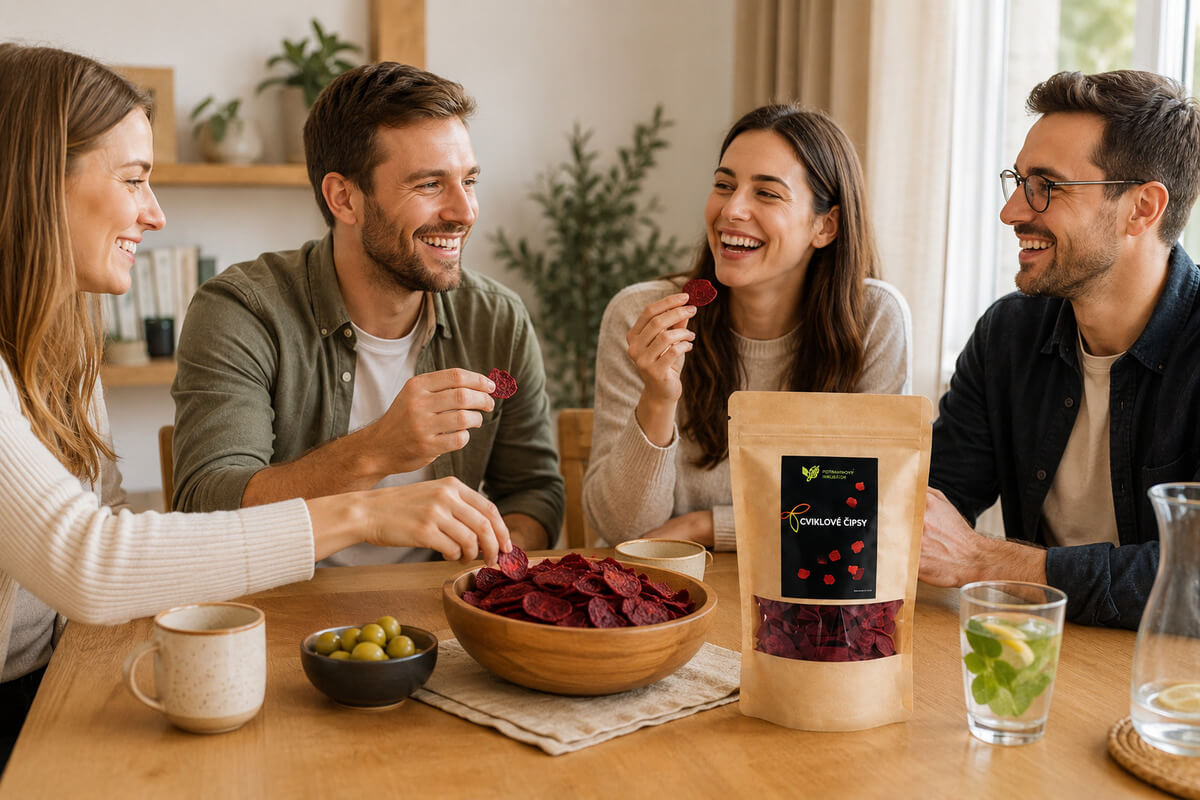
Vegetable chips can be a practical choice in situations when consumers are looking for a quick and appealing snack:
Potravinový Inkubátor’s vegetable chips were not created merely as a new product; they are the result of a process that combined data from consumer research, expert knowledge of scientists, food technology, and feedback from people who evaluated the product sensorially. From the initial idea to a product available to customers, they went through a journey of development, testing, and optimization.
They represent the union of university research, consumer needs, and innovative food production. They are intended for consumers who appreciate products developed by Slovak scientists and are looking for new ways to use traditional ingredients in modern form.