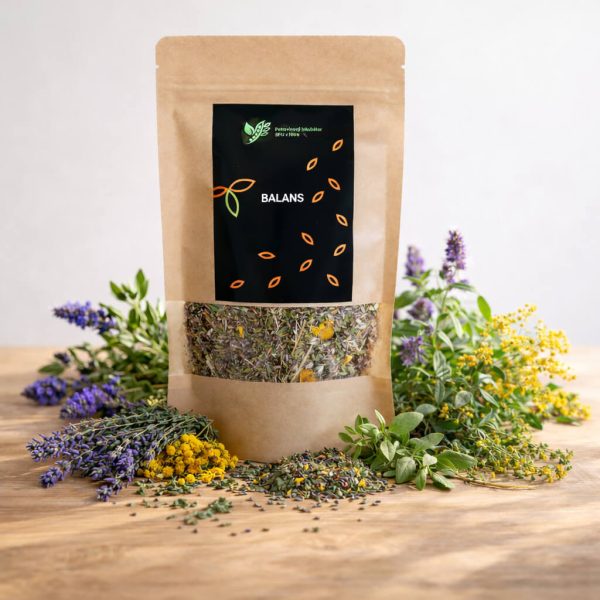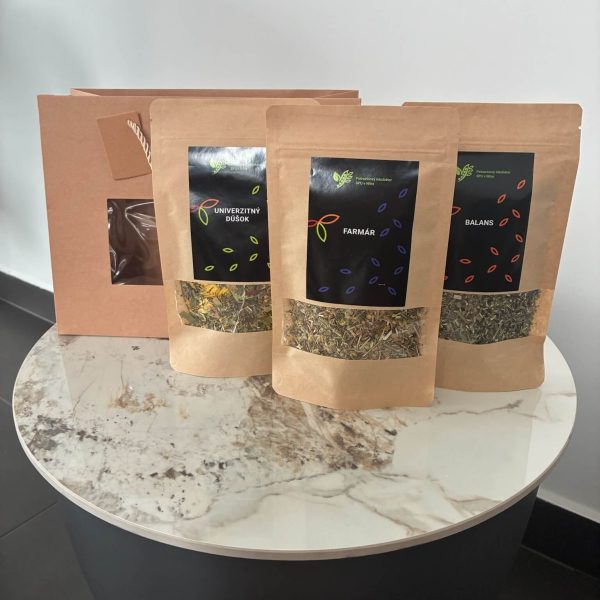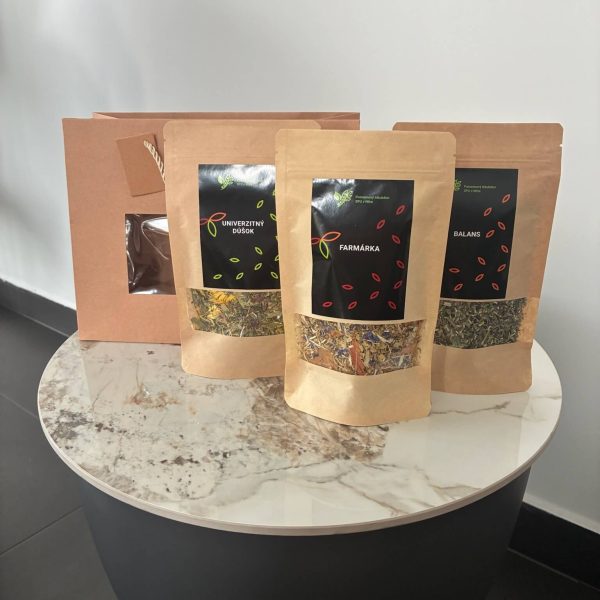
Discover teas and herbal blends featuring Oregano (Origanum vulgare), characterised by its distinctive spicy aroma and pleasantly warming herbal profile. Its dried flowering aerial parts give infusions an aromatic, subtly bitter flavour reminiscent of oregano.




This category features original herbal combinations created in our Food Incubator. Oregano can be paired with delicate flowers, fresh leafy herbs and more distinctive plants, adding a fuller, spicier character to the blend.
You can prepare your chosen blend as a hot infusion or, if recommended for the individual product, serve it chilled as a refreshing herbal drink. Follow the instructions on the packaging regarding the amount of tea, water temperature and brewing time.
Oregano has a long tradition in European and Mediterranean cuisine. Its aromatic leaves and flowering aerial parts were used to season vegetable dishes, meat, sauces, soups and marinades. The dried plant was also added to herbal infusions and homemade tea blends.
In folk herbalism, oregano drinks were primarily associated with the period after meals and digestive comfort. They were traditionally prepared for feelings of fullness, bloating or digestive discomfort. In some regions, the aromatic aerial parts were also included in blends prepared during the colder months and for problems associated with the respiratory tract.
Ethnobotanical records also describe the use of oregano in calming herbal blends and drinks associated with rest.
Oregano naturally contains aromatic essential oil, phenolic acids, flavonoids and other plant compounds. Carvacrol and thymol are among the frequently studied components of its essential oil, although their levels may vary considerably depending on the subspecies, growing conditions, harvest period and processing method.
Laboratory research focuses primarily on the antioxidant and antimicrobial activity of its essential oil and concentrated extracts. Researchers also investigate mechanisms associated with inflammatory responses and the effects of individual compounds in digestive system models.
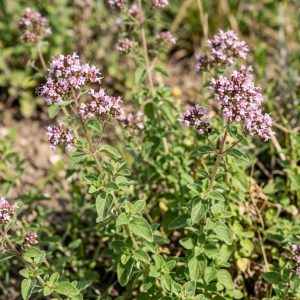
Oregano produces upright stems with opposite aromatic leaves and small pink to purple flowers. Its dried flowering aerial parts are primarily used in tea blends, complementing other herbs with a distinctive spicy aroma and slightly bitter flavour.