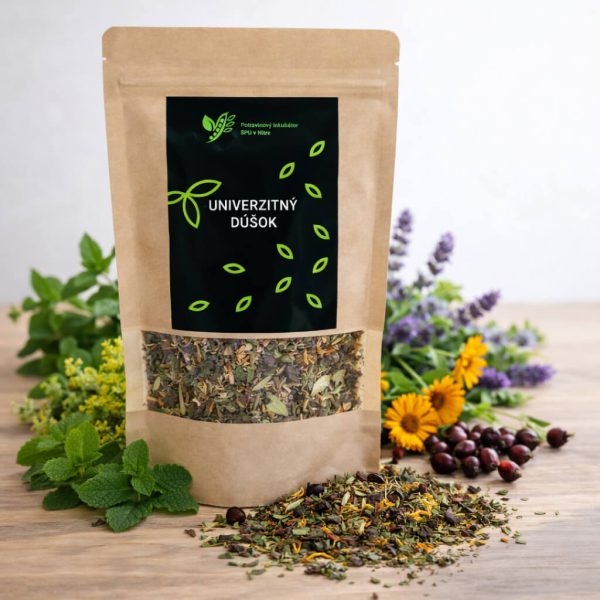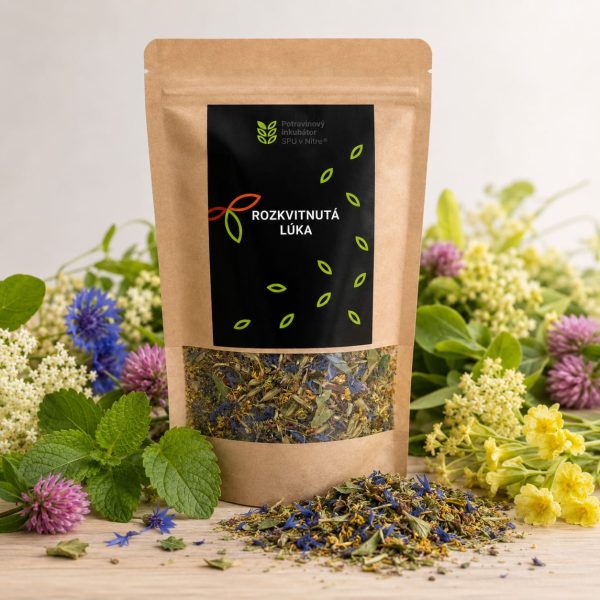
Discover teas and herbal blends featuring Lemon balm (Melissa officinalis), characterised by its pleasant lemon aroma and delicate herbal flavour profile. Dried lemon balm leaves give the infusion a fresh, aromatic note that pairs well with flowers, fruity ingredients and more distinctive herbs.




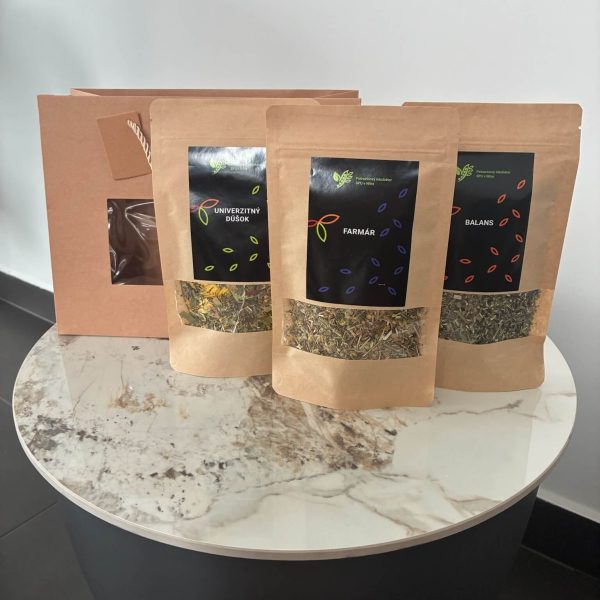
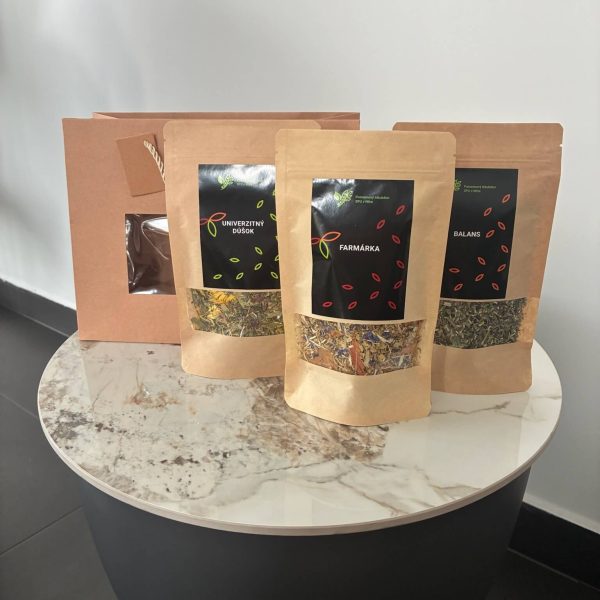
This category features original herbal combinations created in our Food Incubator. Lemon balm can form a delicate base for a recipe or balance the fuller and spicier flavours of other plants with its fresh aroma.
You can prepare your chosen blend as a hot infusion or, if recommended for the individual product, serve it chilled as a refreshing herbal drink. Follow the instructions on the packaging regarding the amount of tea, water temperature and brewing time.
Lemon balm has a long tradition in European and Mediterranean herbalism and cuisine. Its aromatic leaves were used to prepare herbal infusions, refreshing drinks, syrups and herbal blends. In smaller quantities, they are also used to flavour desserts, fruit salads and other sweet or savoury dishes.
In traditional herbal practices, Lemon balm infusion was primarily associated with quiet moments, evening relaxation and periods of mental tension.
Lemon balm’s characteristic fragrance comes from its essential oil, which contains various aromatic compounds that may include citronellal, citral, geranial and neral. The leaves also naturally contain phenolic acids, flavonoids and tannins. Rosmarinic acid is one of its most extensively studied plant compounds.
Clinical research focuses mainly on standardised Lemon balm extracts and their potential effects on mental well-being, sleep quality, attention and other cognitive functions.
Laboratory studies also examine the antioxidant, antibacterial and antiviral activity of Lemon balm extracts, essential oil and isolated compounds. These findings come predominantly from test-tube experiments, cellular models or research involving concentrated preparations.
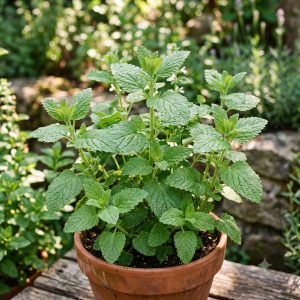
Lemon balm produces branching stems with light green, slightly wrinkled and highly aromatic leaves. During the flowering season, tiny white to pale pink flowers appear in the leaf axils and attract pollinators. The dried leaves are used primarily in tea blends, complementing other herbs with their fresh lemon fragrance.