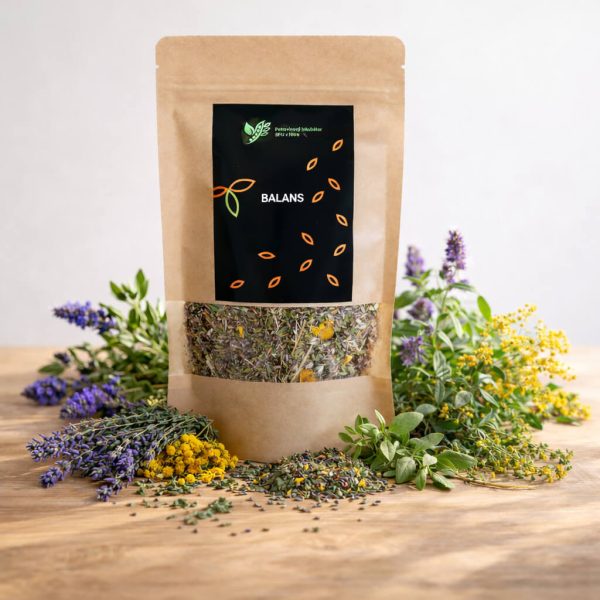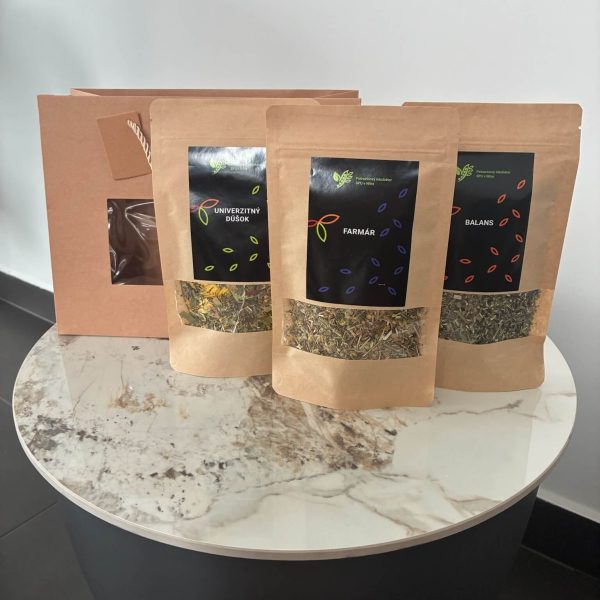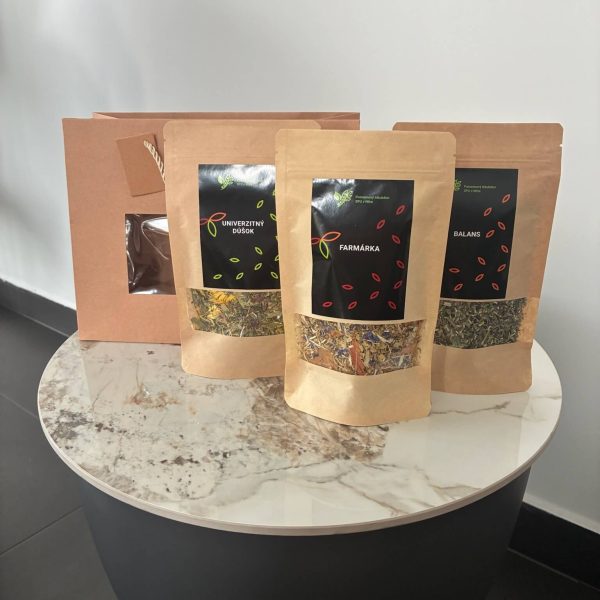
Discover teas and herbal blends featuring Dyer’s chamomile, which stands out for its vibrant yellow flowers and delicate meadow character. The dried flowers give infusions a golden colour, mild herbal aroma and slightly bitter flavour.




This category features original herbal combinations created in our Food Incubator. Dyer’s chamomile can complement aromatic leafy herbs, delicate flowers and more distinctive plants without overpowering the character of the complete recipe.
You can prepare your chosen blend as a hot infusion or, if recommended for the individual product, serve it chilled as a refreshing herbal drink. Follow the instructions on the packaging regarding the amount of tea, water temperature and brewing time.
Dyer’s chamomile was once valued both as a herb and as an important dye plant. Its yellow flower heads provided natural pigments used to dye wool, yarn and other textiles in shades of yellow, gold and orange. Its Slovak name derives from this traditional use.
The dried flowers were also traditionally prepared as individual infusions and included in multi-herb blends. In regional herbalism, drinks made from dyer’s chamomile were primarily associated with the period after meals, digestive comfort and traditional care for the liver and gallbladder.
Historical and ethnobotanical records also describe other local uses. In some regions, infusions made from the flowers were prepared during the colder months or included in bitter herbal blends. These uses varied depending on the region and local traditions.
The flowers and other aerial parts of dyer’s chamomile naturally contain phenolic compounds, flavonoids and aromatic essential oil components.
Laboratory analyses focus mainly on the antioxidant activity and phenolic profile of aqueous, alcoholic and mixed extracts. Researchers also examine the activity of these extracts against selected microorganisms and their effects in various enzyme and cellular models.
The essential oil of Dyer’s chamomile is also studied separately. Notable aromatic compounds identified in analysed samples include borneol, camphor and beta-pinene.
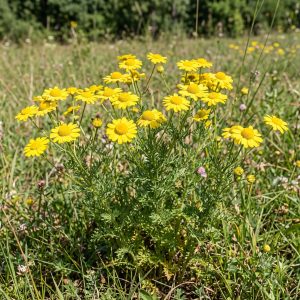
Dyer’s chamomile produces branching stems with finely divided, aromatic leaves. Vibrant yellow flower heads resembling small daisies grow at the ends of the stems. In tea blends, the flowers add a golden colour and subtly bitter herbal note.