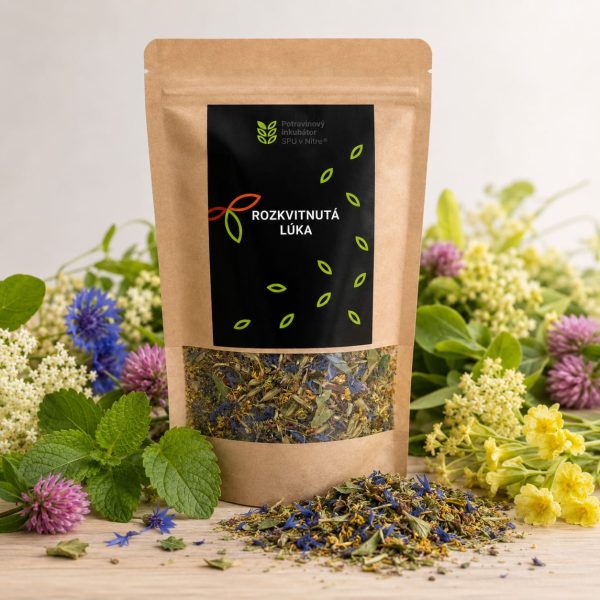
Discover teas and herbal blends featuring Cowslip (Primula veris), one of the first distinctive flowers to appear in meadows after winter. Its yellow flowers give loose-leaf blends a pleasant spring appearance, delicate floral aroma and subtly sweet herbal note.
Showing the single result





This category features original herbal combinations created in our Food Incubator. Cowslip can be paired with lime blossom, elderflower, lemon balm, meadow flowers and other plants that naturally complement its delicate flavour profile.
You can prepare your chosen blend as a hot infusion or, if recommended for the individual product, serve it chilled as a refreshing herbal drink. Follow the instructions on the packaging regarding the amount of tea, water temperature and brewing time.
Cowslip has a long history in European herbalism. Its flowers were primarily collected, dried and added to herbal infusions and multi-herb blends. The root was also used in traditional recipes, although its composition and flavour differ considerably from those of the flowers.
In folk tradition, drinks made from cowslip flowers were prepared mainly during the colder months. Both the flowers and roots historically appeared in blends associated with the respiratory tract, mucus congestion and coughs accompanying colds. Cowslip was combined with thyme and other aromatic herbs.
In some regions, the delicate flowers were also used in homemade beverages and to decorate food. Young leaves and flowers were occasionally added to spring dishes in the past, reflecting the plant’s traditional culinary use.
The individual parts of Cowslip have different chemical compositions. The flowers naturally contain mainly flavonoids, phenolic acids and other phenolic compounds. The substances studied include rutin, hyperoside and derivatives of quercetin and isorhamnetin.
The roots are known primarily for their triterpene saponin content, which is the subject of chemical and laboratory analyses. These saponins were traditionally associated with the use of cowslip root in herbal preparations intended for the colder months.
Scientific studies focus on identifying plant compounds and measuring the antioxidant, antimicrobial and other biological activity of extracts in laboratory settings.
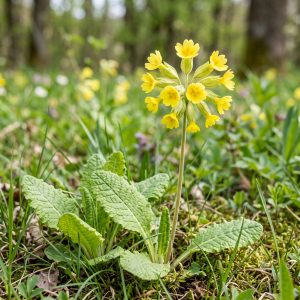
Cowslip forms a basal rosette of wrinkled green leaves and upright stems topped with clusters of pleasantly fragrant yellow flowers. It grows mainly in meadows, pastures, woodland edges and on sunny slopes. In loose-leaf teas, the flowers enhance the appearance of the blend and add a delicate floral note.