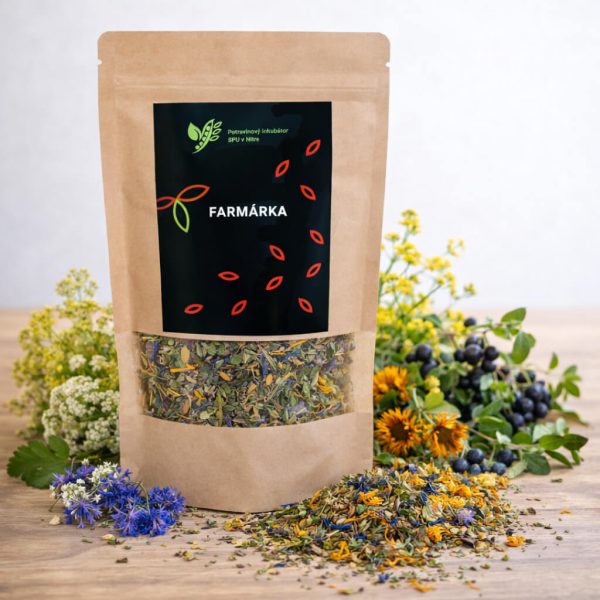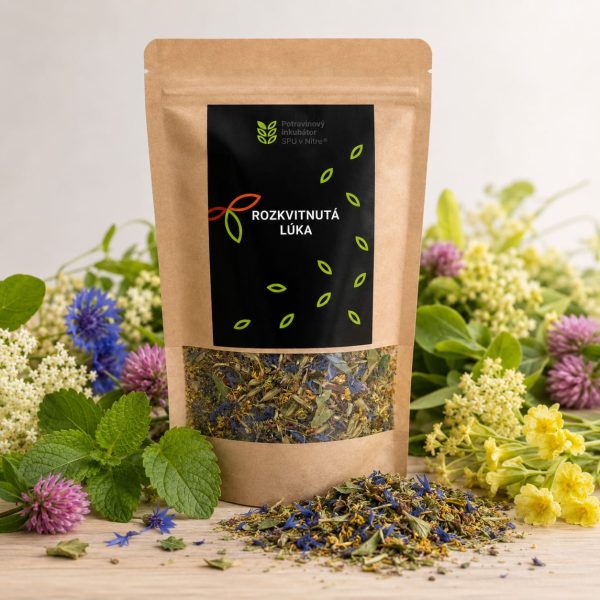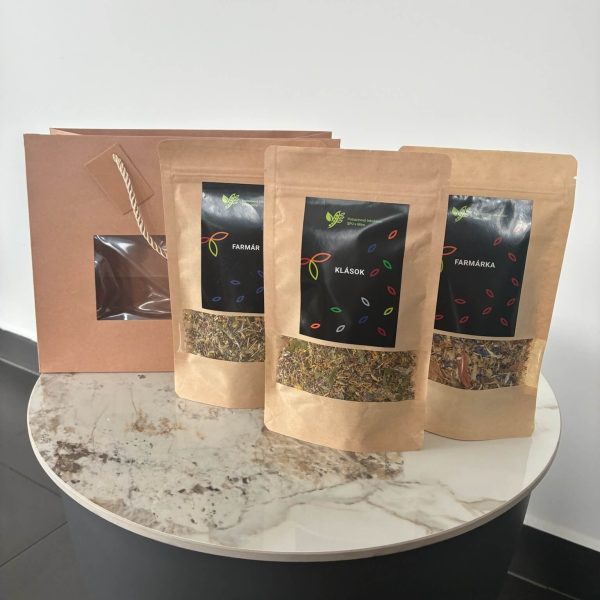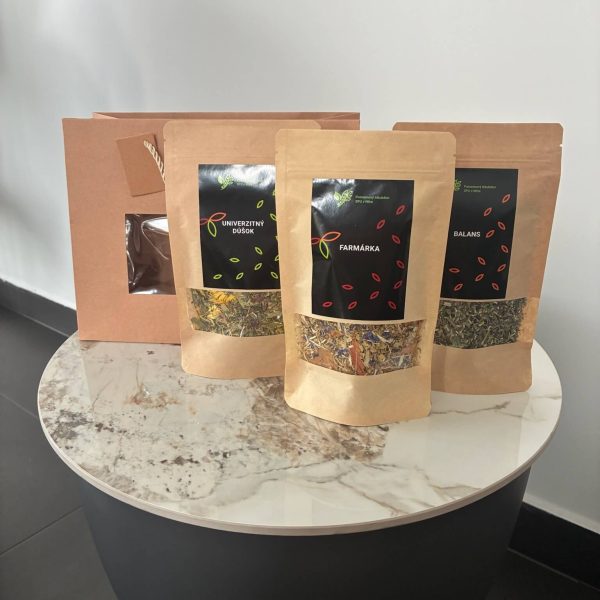
Discover teas and herbal blends featuring Cornflower (Centaurea cyanus), characterised by its vibrant blue flowers and distinctive meadow appearance. The dried flowers add a delicate herbal character, a slightly bitter note and, above all, a striking splash of colour to each blend.



This category features original herbal combinations created in our Food Incubator. Cornflower is naturally paired with other meadow flowers, aromatic leaves and subtly sweet plant-based ingredients.
You can prepare your chosen blend as a hot infusion or, if recommended for the individual product, serve it chilled as a refreshing herbal drink. Follow the instructions on the packaging regarding the amount of tea, water temperature and brewing time.
For centuries, cornflower was a characteristic part of cereal fields and traditional rural landscapes. Its blue flowers were collected for their decorative appearance and for preparing herbal infusions, homemade blends and topical preparations. The dried petals were also used to add colour to food and beverages.
In European folk herbalism, infusions and compresses made from cornflowers were primarily associated with caring for tired or irritated eyes. Historical sources also describe their use in gentle herbal rinses and cosmetic waters intended for external application.
Cornflower also appeared in traditional bitter and diuretic herbal blends. In some regions, it was prepared as an ingredient in drinks served after meals or in blends associated with digestive comfort.
In contemporary tea recipes, Cornflower is valued mainly for the vibrant colour of its flowers and its ability to enhance the visual appearance of a loose-leaf blend without overpowering the flavour of the other herbs.
Cornflowers naturally contain phenolic compounds, flavonoids and anthocyanins. Anthocyanins are plant pigments that contribute to the flowers’ characteristic blue colour. The resulting colour is influenced by the composition of the pigments, the presence of other compounds and the chemical conditions within the plant tissue.
Laboratory studies primarily examine the antioxidant activity of extracts obtained from the petals and other parts of the flower. Research also explores mechanisms associated with inflammatory responses and the effects of extracts against selected microorganisms. Some experiments have also investigated polysaccharides obtained from the flower heads.
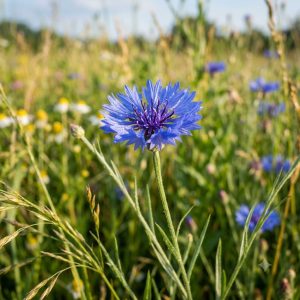
Cornflower produces upright, branching stems with greyish-green leaves and distinctive blue flower heads. It was once a characteristic part of cereal fields and is now also cultivated as an ornamental and multipurpose plant. In loose-leaf teas, it stands out primarily for the intense colour of its flowers and delicate flavour.