Fibre is an important part of a healthy diet. It supports digestion, helps keep bowel movements regular and plays an important role in maintaining a healthy gut microbiota. Even so, many people do not get enough.
Which foods contain the most fibre, what does fibre do in the body and how can you easily add it to your diet?
Fibre is a component of plant foods that our digestive enzymes cannot break down in the small intestine. There are two main types.
Both types are important and are often found together in plant foods.
One of the most interesting things about fibre is its effect on the gut microbiota.
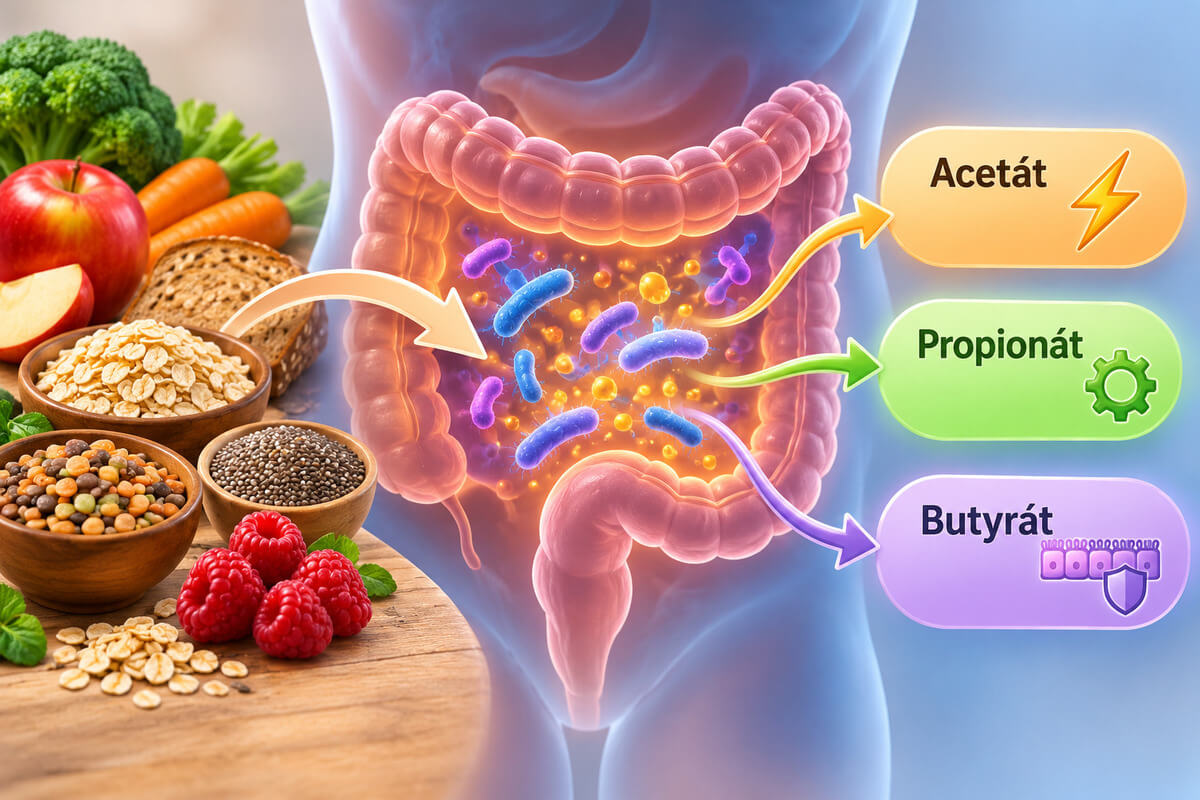
Fermentable fibre provides food for beneficial gut bacteria. When it reaches the large intestine, the bacteria break it down through a process called fermentation. This produces short-chain fatty acids (SCFAs), mainly the following.
These compounds are important for a healthy gut environment and for communication between the gut microbiota and the body. Different types of fibre ferment in different ways, so it helps to get fibre from a variety of plant sources.
Some of the richest natural sources of fibre are seeds, bran, whole grains, pulses and certain fruits.
| Food | Fibre per 100 g |
|---|---|
| Chia seeds | 34.4 g |
| Flaxseeds | 27.3 g |
| Oat bran | 15.4 g |
| Almonds | 12.5 g |
| Rolled oats | 10.1 g |
| Cooked lentils | 7.9 g |
| Cooked chickpeas | 7.6 g |
| Raspberries | 6.5 g |
| Apple with skin | 2.4 g |
According to the European Food Safety Authority (EFSA), adults should get at least 25 g of fibre a day. The best way to do this is to eat a variety of plant foods throughout the day.
A simple way to increase your fibre intake is to eat more whole grains, fruit, vegetables, pulses and seeds. Ready-to-use products made from plant ingredients can help too.
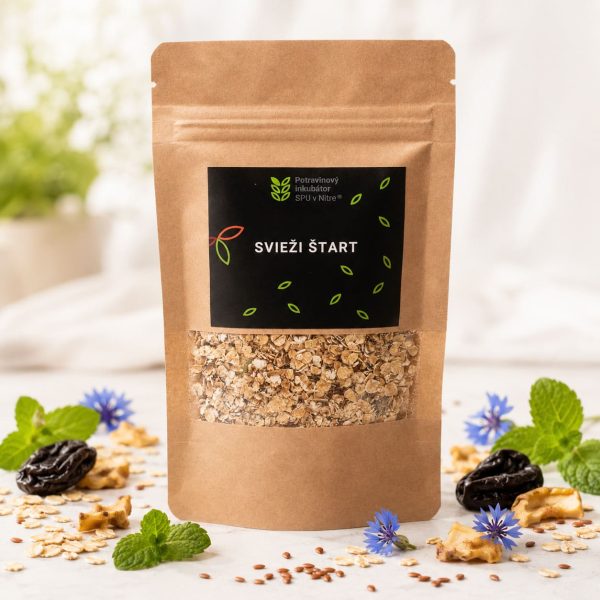
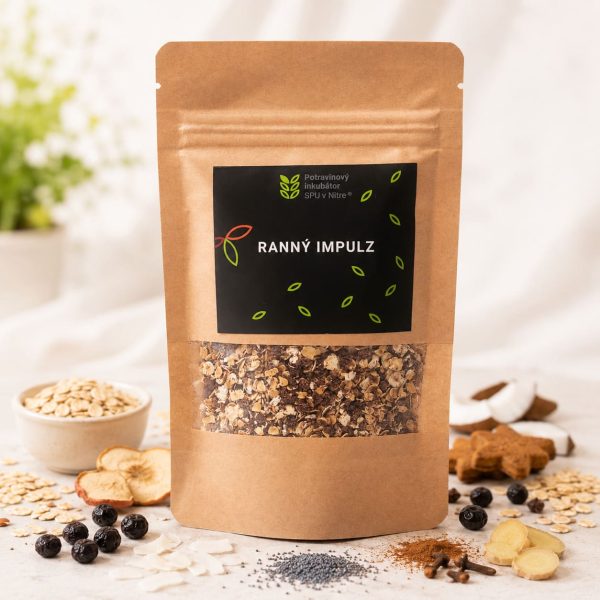
Rolled oats are a natural source of fibre, including beta-glucans, which help maintain normal blood cholesterol levels. The Food Incubator’s cereal porridges, such as Morning Boost and Fresh Start, are a convenient option that combines grains with fruit and seeds.
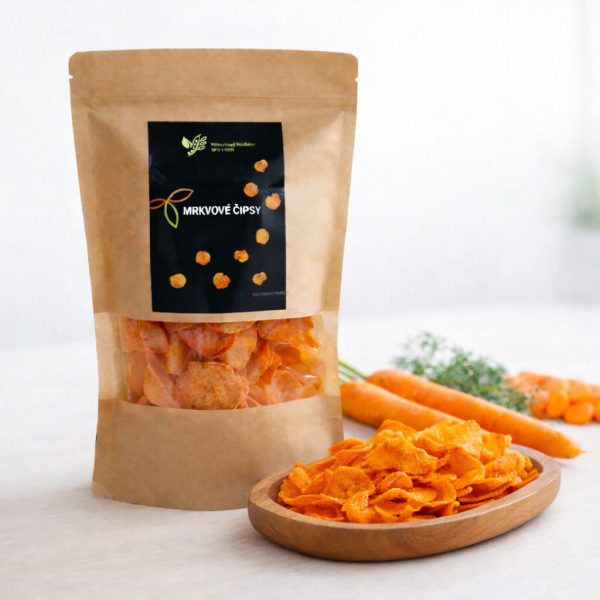
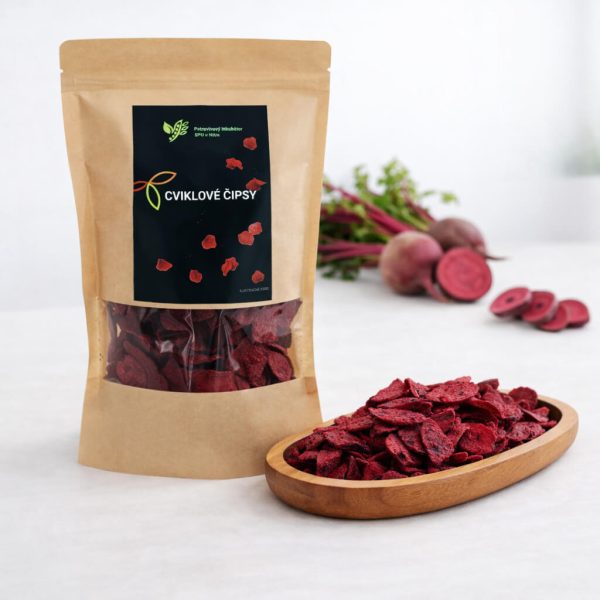
Vegetables naturally contain fibre, and drying can concentrate it per 100 g of the finished product. The Food Incubator’s vegetable chips, made with carrot, beetroot, parsley root or celery, are a crunchy alternative to everyday savoury snacks.
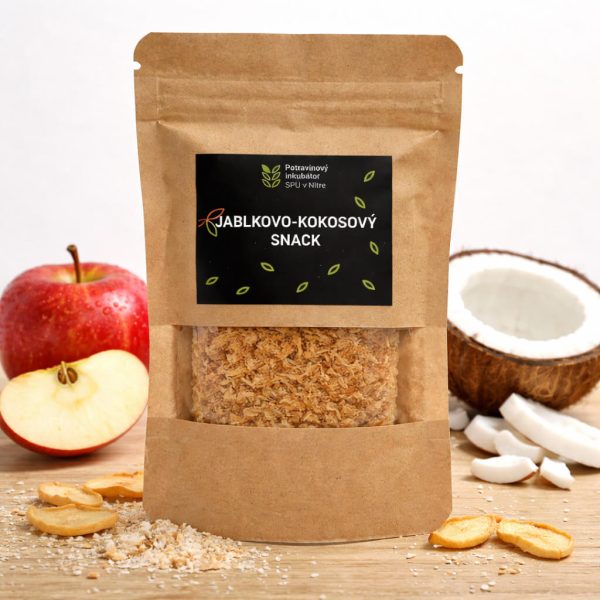
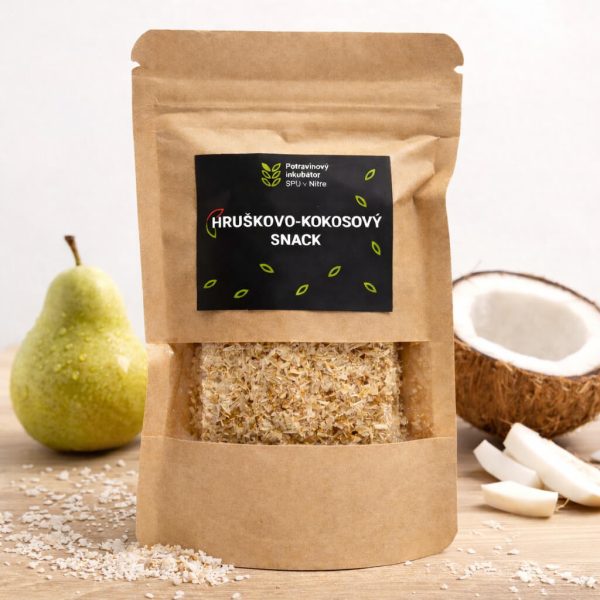
Fruit contains different types of fibre, including pectins. The Food Incubator’s fruit snacks, such as apple and coconut or pear and coconut, are handy between meals or on the go.
Wholegrain bread with a vegetable spread is another way to get more fibre. For example, Garden-Style Spread with wholegrain bread and fresh vegetables makes a simple, tasty snack.
Check the nutrition information to see how much fibre each product contains.
Getting enough fibre can be as simple as regularly eating a variety of plant foods. Cereal porridges, vegetable chips, fruit snacks and spreads from the Food Incubator shop can be a convenient addition.