How to store food correctly? It all begins with opening the packaging. As long as the food is sealed, it is protected. The moment it is opened, the access of oxygen and moisture changes, and the risk of microbial contamination increases at the same time. This accelerates oxidative, enzymatic, and microbiological changes that determine whether the food will still be consumed or end up in the bin. Furthermore, these processes occur even faster in the summer, so a few simple habits pay off twice as much. Many of these issues are also addressed daily by colleagues in the laboratories of the Food Incubator, where we ensure the shelf life, taste, and quality during the development of our products.
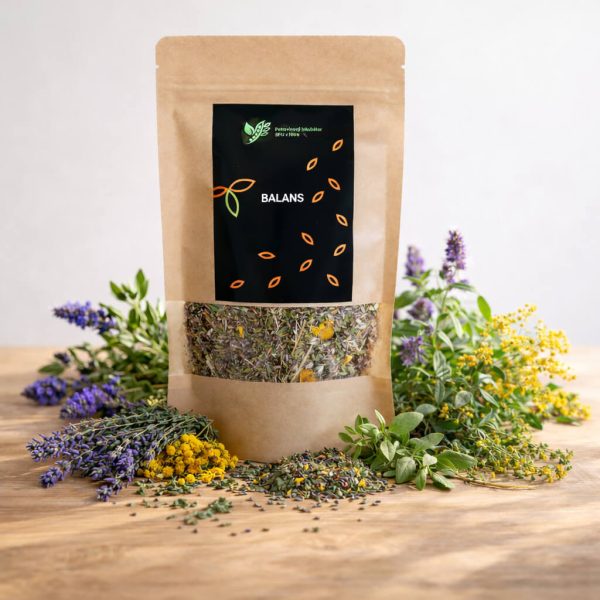
Herbal teas. Dried herbs lose their aroma due to moisture, heat, and light. Therefore, keep them dry, well-sealed, and away from direct sunlight, ideally in their original packaging or an airtight jar. This way, our herbal teas, from the Balance blend to the Blooming Meadow, will maintain their full aroma.
Vegetable chips. Carrot, beetroot, and parsnip chips are dried, so they only maintain their crispness in dry conditions. After opening, transfer them to an airtight container, as air humidity will quickly soften them. You can find more information about them among the vegetable chips.
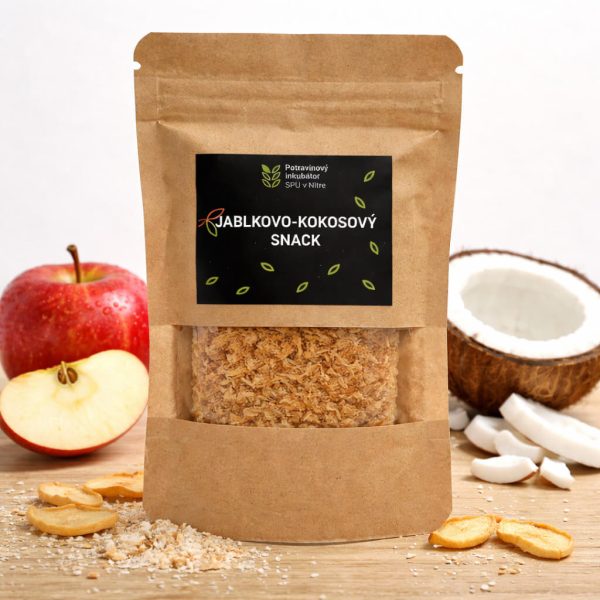
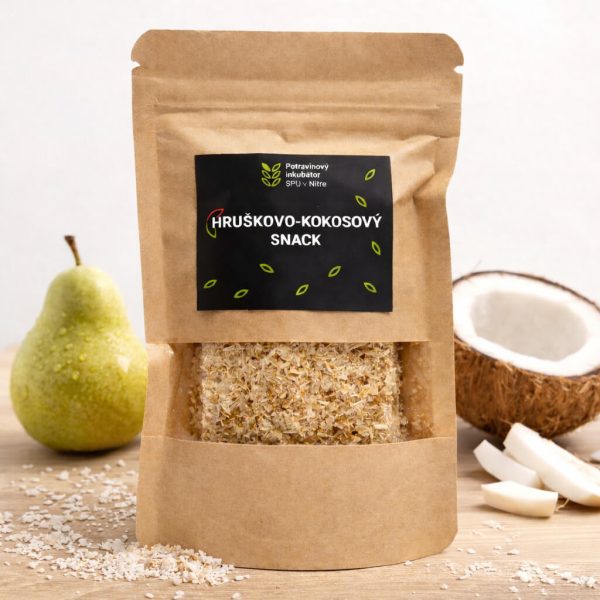
Fruit snacks. The apple-coconut and pear-coconut snacks are also dried, so seal them well after opening and keep them dry to ensure they remain flexible and fragrant.
Spreads. After opening, the garden spread belongs in the refrigerator; always scoop it with a clean spoon, as crumbs and food residues promote mold growth. Consume it according to the instructions on the packaging, usually within a few days.
A few simple storage habits can reduce the amount of unnecessarily wasted food at home. At the Food Incubator, we address these same questions at a higher level, helping producers fine-tune the shelf life, taste, and quality of new food products. We believe these tips will help in your kitchen as well, and if you would like to taste what we create, check out our product range.