From September, children will start going back to school and kindergarten, and the question arises: what to offer children for a snack if they feel like munching? Children naturally enjoy sweet tastes, and completely forbidding sweets is usually not a long-term sustainable solution. It is much better to offer them healthier snacks that taste sweet thanks to fruit or other naturally sweet ingredients, but do not contain unnecessary added sugar.
A healthier snack does not have to be complicated to prepare. However, it is important to monitor the ingredients, portion size, and overall variety of the diet.
As Czech pharmacist PharmDr. Margit Slimáková states, excessive sugar consumption not only leads to weight gain but also to insulin resistance, which is a fundamental disorder leading to many modern diseases in children and adults alike.
The World Health Organization recommends limiting the intake of free sugars in adults and children to less than 10% of daily energy intake, with a further reduction below 5% potentially bringing additional health benefits. Free sugars include sugars added to foods and drinks, as well as sugars in honey, syrups, and fruit juices.
So, how do you choose snacks for children without added sugar that are tasty, practical, and age-appropriate?
Read also our article: Healthy Snack: What to Choose for School or Work?
The label “no added sugar” does not mean that the product contains no sugars. It means that during production, no sugar or other ingredient primarily used for sweetening was added to the product.
Fruits, milk, and some other foods naturally contain sugars. An apple or a pear therefore tastes sweet even without adding beet sugar, glucose syrup, or other sweeteners. For products containing fruit, we may therefore find the information “of which sugars” on the nutritional table, even though we will not find added sugar in the ingredients.
This is an important distinction. Sweets without added sugar for children are not automatically sugar-free or calorie-free. Naturally occurring sugars and fats also contribute to the overall energy value of food. Therefore, it is advisable to monitor portion size and not perceive the label “no added sugar” as an opportunity to consume the product without restriction.
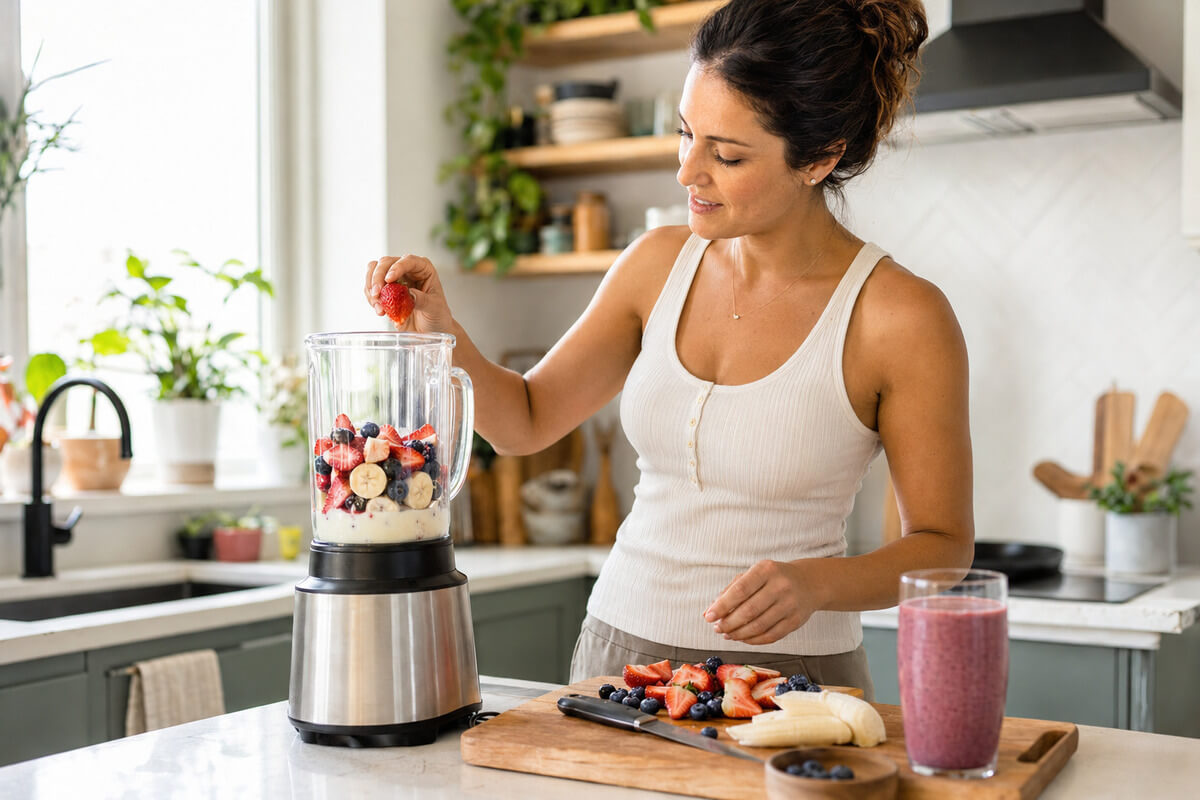
Fruit juices and smoothies deserve special attention. While sugars in whole fresh fruit are not considered free sugars, the situation is different for juices. That is why, for everyday snacking, whole fruit is generally a better choice than juice.
A healthier snack does not have to be perfectly “fit” or completely carb-free. However, in addition to a sweet taste, it should also provide the child with additional nutritional value.
Good choices include products based on fruit, grains, plain yoghurt, or a reasonable amount of coconut, seeds or nuts. Fruit can be a source of fibre and other naturally occurring nutrients. Grains, especially oats, help create a more filling snack than a sweet treat on its own.
Some classic sweets provide a lot of energy but keep you full only for a short time. Combining fruit with yoghurt, porridge, or another food containing protein and fibre can be a more practical snack before school, an after-school activity, or a trip.
Even a high-quality treat should be appropriate for the child’s age, physical activity and overall diet. A snack should not replace a main meal or reduce appetite for lunch or dinner. Younger children usually need a smaller portion than schoolchildren or active teenagers.
For young children, the size, hardness and texture of food should be adapted to their ability to bite and swallow. Whole nuts and hard or large pieces can pose a choking risk. Fruit should be cut into safe pieces, and with packaged products, always check allergens and the manufacturer’s recommendations.
When you need a practical treat for a school bag, a trip or travelling, fruit-and-coconut snacks from Potravinový inkubátor SPU in Nitra can be a solution.
Apple-and-coconut snack contains apple, coconut and citric acid. It contains no added sugar, preservatives or artificial flavours. Its sweet taste comes naturally from the ingredients used.
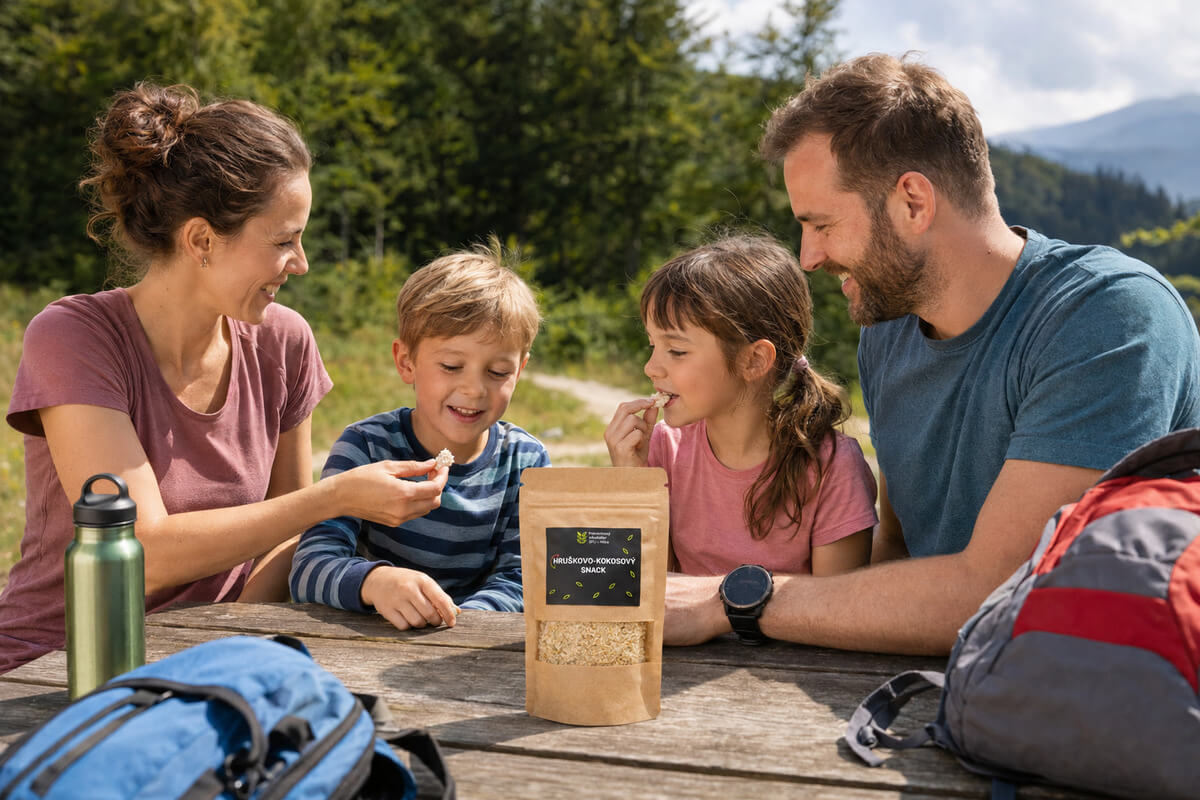
An alternative is the pear-and-coconut snack, which combines pear, coconut and a gentle blend of spices and citric acid. This product is also free from added sugar, preservatives and artificial flavours.
Both snacks are gently dried and, thanks to their practical packaging, can be packed as part of a snack. Since they contain coconut and naturally occurring sugars from fruit, it is advisable to respect the recommended portion and the child’s individual tolerance.
Cereal porridge does not have to be only for breakfast. A smaller portion can also serve as a warm mid-morning snack or afternoon snack, especially during colder days.
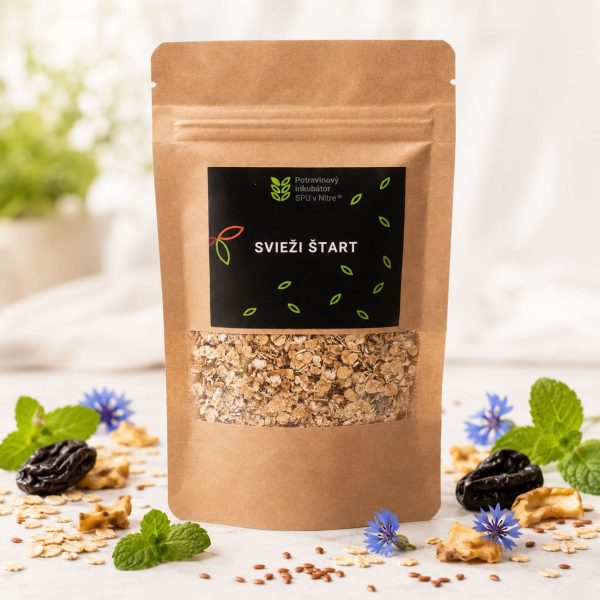
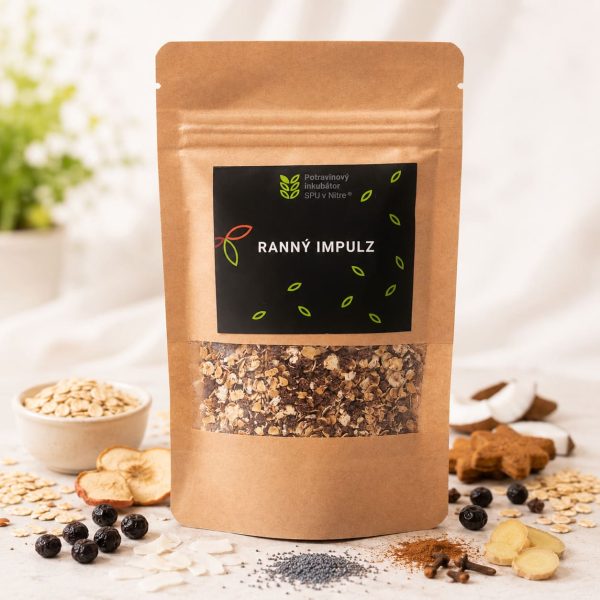
Breakfast cereal porridges Fresh Start and Morning Boost from Potravinový inkubátor provide a practical base that can be complemented with fresh fruit, plain yoghurt or a little nut butter depending on the child’s age and tolerance. This way, the porridges allow you to vary the flavour without needing to add sugar.
When choosing a cereal mix, it is advisable to check the ingredients and prefer products in which grains, fruit, seeds or other natural components make up a significant share.
The goal is not to divide foods into completely “good” and “bad” or to create unnecessary tension around sweets. It is more practical to build an environment in which the child regularly has more nutritious alternatives available and learns to recognise hunger, satiety and an appropriate portion.
You can offer your child a simple choice: for example, do they want fruit with yoghurt today, a fruit-and-coconut snack, or a smaller portion of porridge? Having a choice supports independence, while the parent still decides what options are available.
Not every treat has to be sweet. It is a good idea to alternate sweet snacks with vegetables, bread with a spread, or a crunchy vegetable alternative.
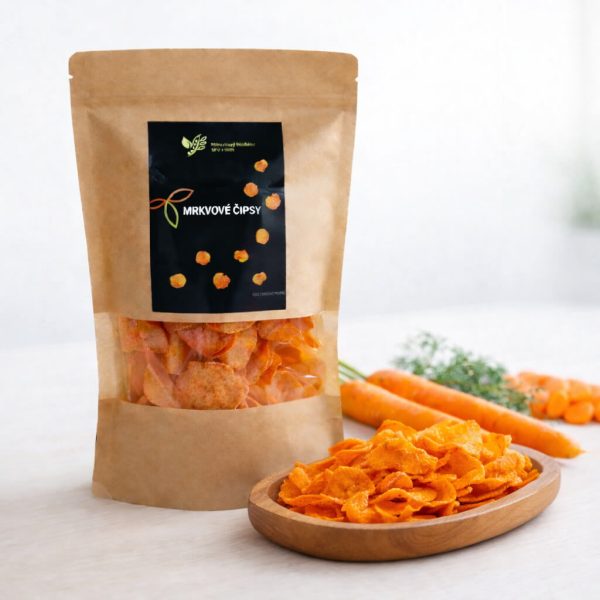
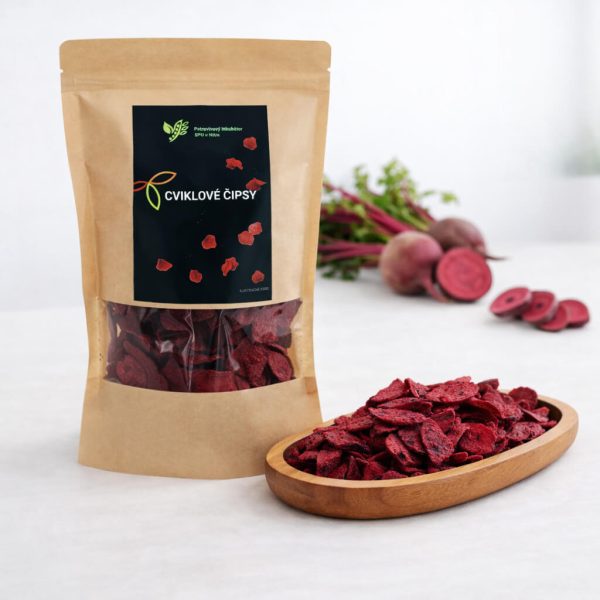
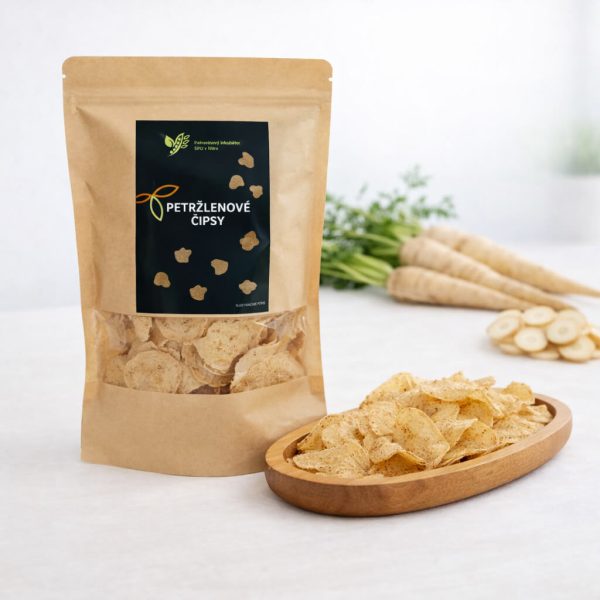
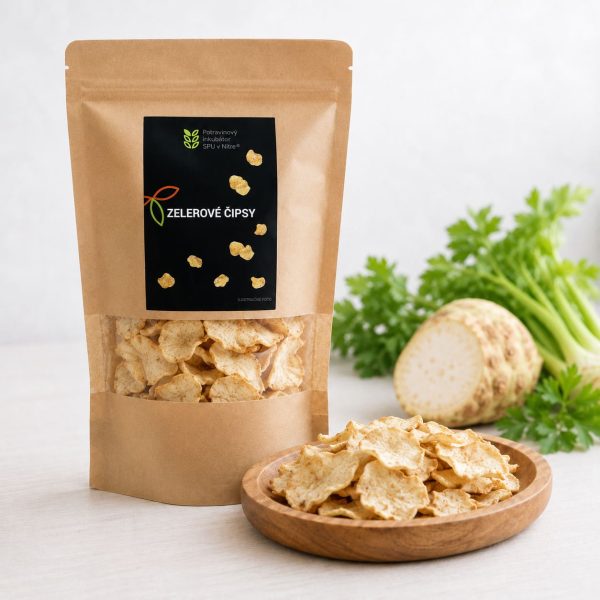
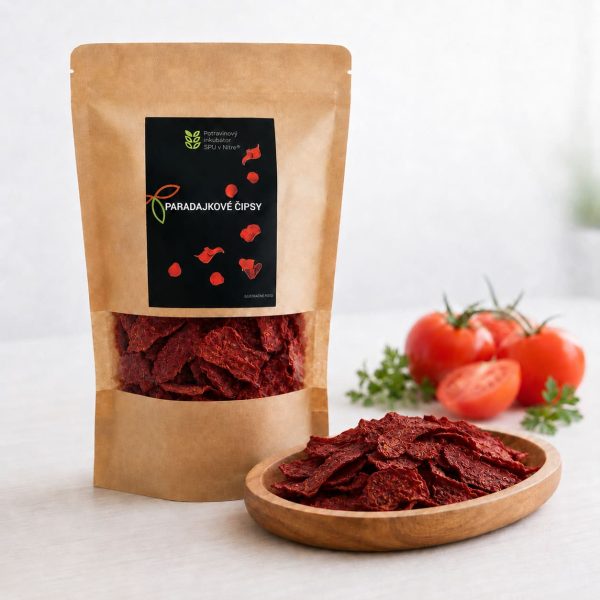
Potravinový inkubátor also offers vegetable chips made from carrots, beetroot, parsley, celeriac or tomatoes. They are made by drying, not traditional frying, and are an alternative to regular potato crisps. However, you should still watch portion size, salt content and whether the texture is suitable for the child’s specific age. We also offer Garden Spread—a vegetable spread that is gently creamy, fresh and full of the natural taste of vegetables, without preservatives, colourings or artificial flavours. It is great on fresh bread, for light snacks during the day, or as a dip for vegetables or baked potatoes.
Nutrition expert Margit Slimáková points out that sweets should not function as an automatic reward, and for school snacks she recommends simple meals prepared from basic foods. Involving older children in preparation can also increase the likelihood that they will eat the snack.
When choosing a child’s snack, you do not have to look for a perfect solution. Long-term variety and regularity are more important.
Healthier snacking does not mean that a child can never have sweets, chocolate or ice cream again. What matters is that sweets high in added sugar are not an everyday staple of the diet and that the child also has more nutritious alternatives available as a matter of course.
Products from Potravinový inkubátor can be one practical way to add variety to a child’s mid-morning snack or afternoon snack. They work best as part of a varied diet complemented by fresh fruit, vegetables, dairy products, grains and other basic foods.
This article is for informational purposes and does not replace individual advice from a paediatrician or a qualified nutrition professional. In cases of allergies, metabolic disorders or specific nutritional needs, it is advisable to consult a specialist when choosing foods for the child.